Learn how to respond when a wheelchair van lift stops working, what to check safely, and when professional assistance is...
Read MoreWhat to Do When a Wheelchair Van Lift Stops Working
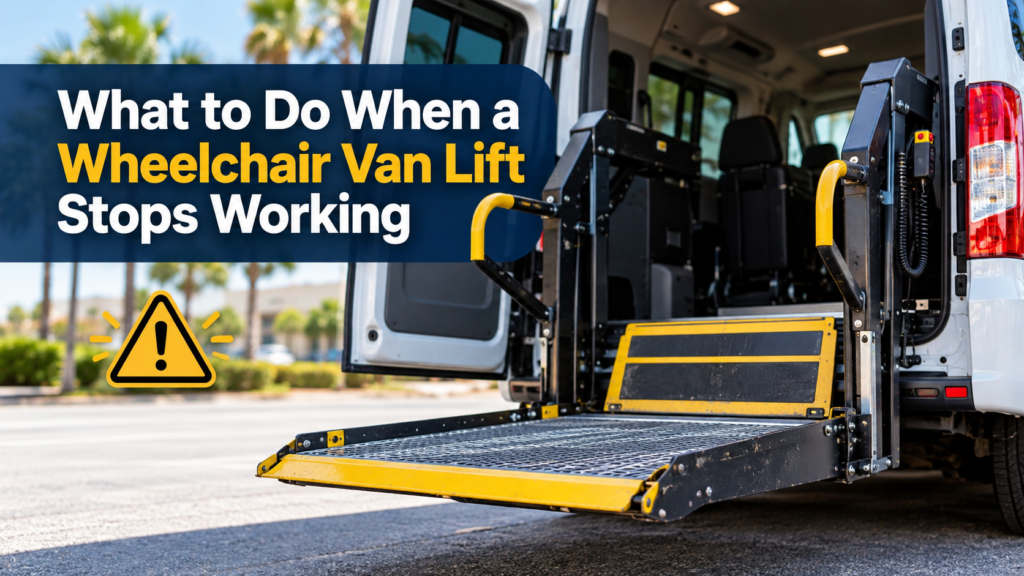
Table of content
- Wheelchair Lift Repair
- October 26, 2026
What to Do When a Wheelchair Van Lift Stops Working
When a wheelchair van lift stops working, knowing how to respond can help protect passengers and determine the next steps. The priority is to assess the situation safely, follow the manufacturer’s instructions, and avoid actions that could make the problem worse.

What to Do When the Lift Stops Working
Stop operating the lift and assess its position. If a passenger is on the platform, keep the vehicle stationary and follow the manufacturer’s emergency procedures. Do not push, pull, or attempt to reposition the lift manually unless the manufacturer specifically authorizes the procedure and you are trained to perform it.
If a passenger is inside the vehicle and the lift cannot be deployed, arrange a safe alternative for exiting. If someone is stranded or in immediate danger, seek emergency assistance as appropriate. Do not improvise a transfer that could cause injury.
What Can You Check Before Calling for Repair?
If the lift is empty and the situation is safe, consult the operator’s manual for basic checks approved by the manufacturer. Depending on the system, these may include confirming that the vehicle is in the required operating state or checking an accessible connection identified in the manual.
Do not remove protective covers, handle exposed wiring, adjust hydraulic components, bypass safety devices, or repeatedly activate a lift that does not respond. If the manufacturer’s approved checks do not resolve the issue, stop troubleshooting and seek professional assistance.
When Should You Call a Wheelchair Van Lift Repair Technician?
Contact a qualified technician if the lift remains unresponsive, stops during its movement, cannot be deployed or stowed as intended, or moves unpredictably. Visible damage is also a reason to request an inspection rather than attempting further operation.
Do not use a malfunctioning lift to board, exit, or transfer passengers until its safe operation has been confirmed. If the vehicle is used for commercial transportation, notify the responsible supervisor and arrange alternative accessible transportation when necessary.
What Information Should You Provide When Requesting Repair?
When contacting a repair provider, explain what happened and provide the lift’s manufacturer and model, if known. Mention whether the lift stopped while deploying, raising, lowering, or returning to its stored position. You can also report any warning indicators, unusual sounds, or recent maintenance.
These details help the technician understand the circumstances and prepare for the diagnostic process without requiring you to identify the cause yourself.
Related Mobility Repair Services
Wheelchair Van Lift Maintenance: How Often?
Learn how often wheelchair van lifts should be serviced and what factors determine their maintenance needs.
Read MoreCommon Wheelchair Van Lift Problems and Their Warning Signs
Discover common wheelchair van lift problems, including operational issues, unusual noises, alignment concerns, and other warning signs that may indicate...
Read MoreWheelchair Lifts for Cars repair
Learn about wheelchair lifts for cars repair, common lift problems, inspection procedures, troubleshooting steps, and the importance of maintaining safe...
Read MoreWhat is Hydraulic Lift Repair?
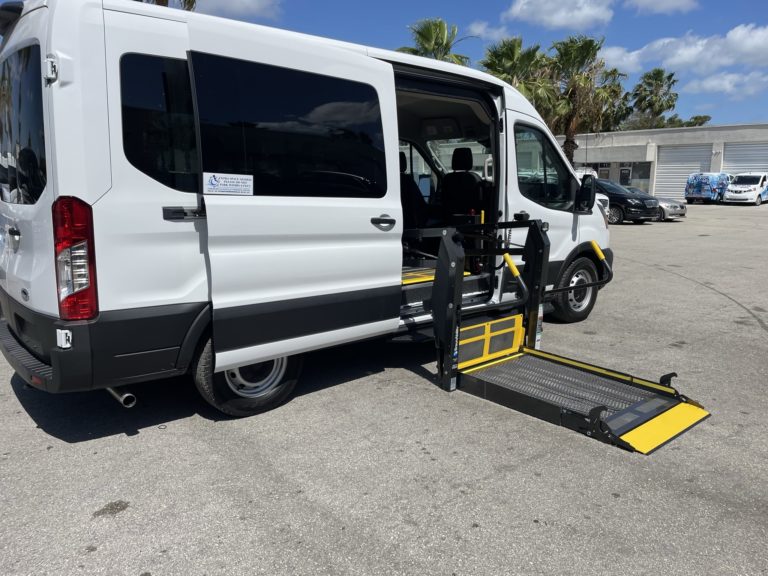
Learn what hydraulic lift repair is, the most common hydraulic lift problems, their causes, and how lift systems are evaluated...
Read MoreWhat Is Handicap Lift Repair?
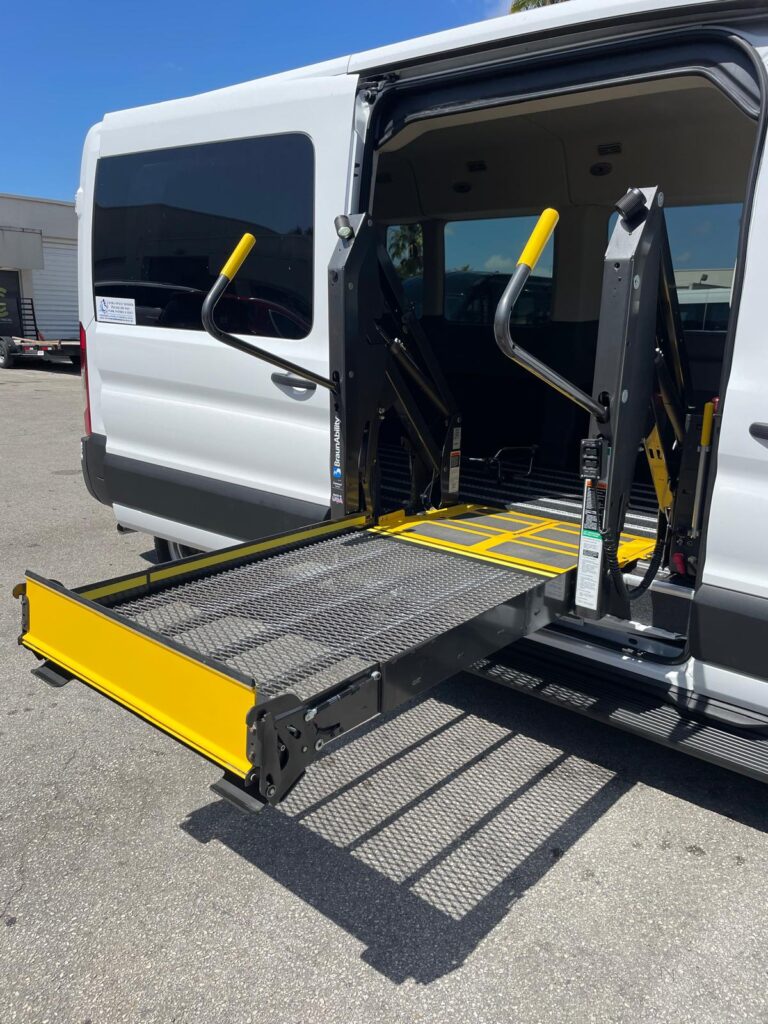
Handicap lift repair focuses on diagnosing and fixing issues in wheelchair van lift systems, including hydraulic, electrical, and mechanical problems,...
Read More