
Wheelchair van conversion
A conversion van is a vehicle adapted to improve accessibility, passenger transportation, and specialized mobility needs. Common examples include wheelchair-accessible vans, stretcher transport vehicles, and ambulatory passenger vehicles used by healthcare organizations, transportation providers, and mobility service operators.
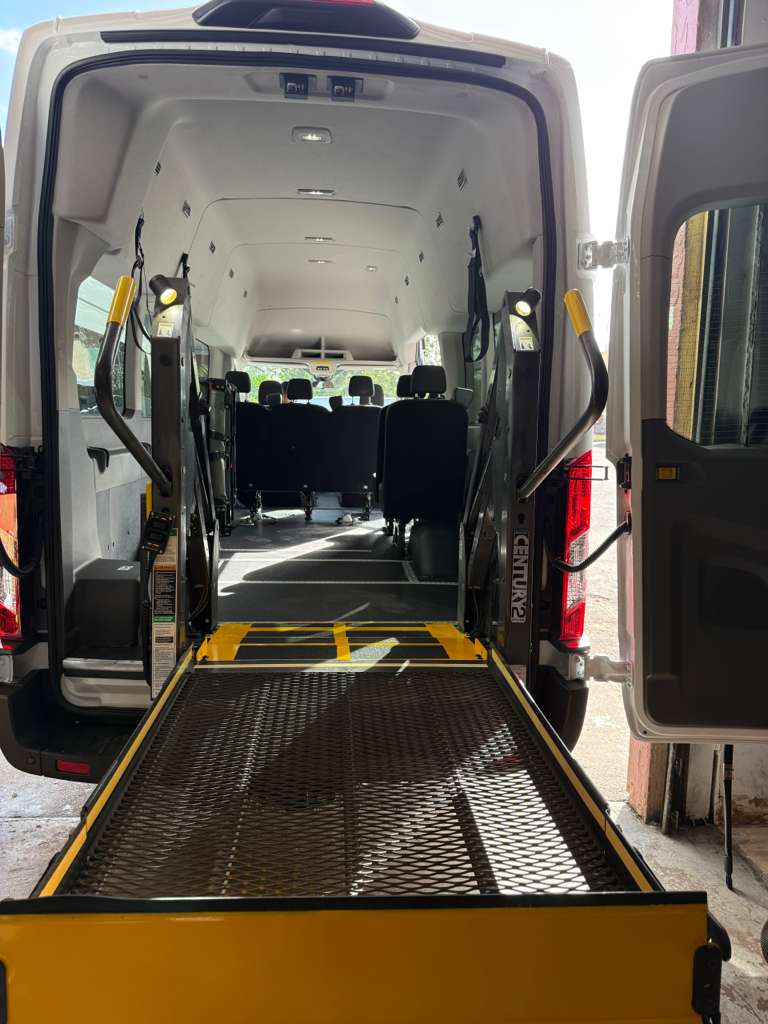
Wheelchair Van Conversion Solutions
Every wheelchair van conversion is customized according to vehicle type, passenger mobility requirements, and transportation objectives. Our team can integrate accessibility systems designed for personal transportation, healthcare services, community transportation programs, and commercial mobility operations.
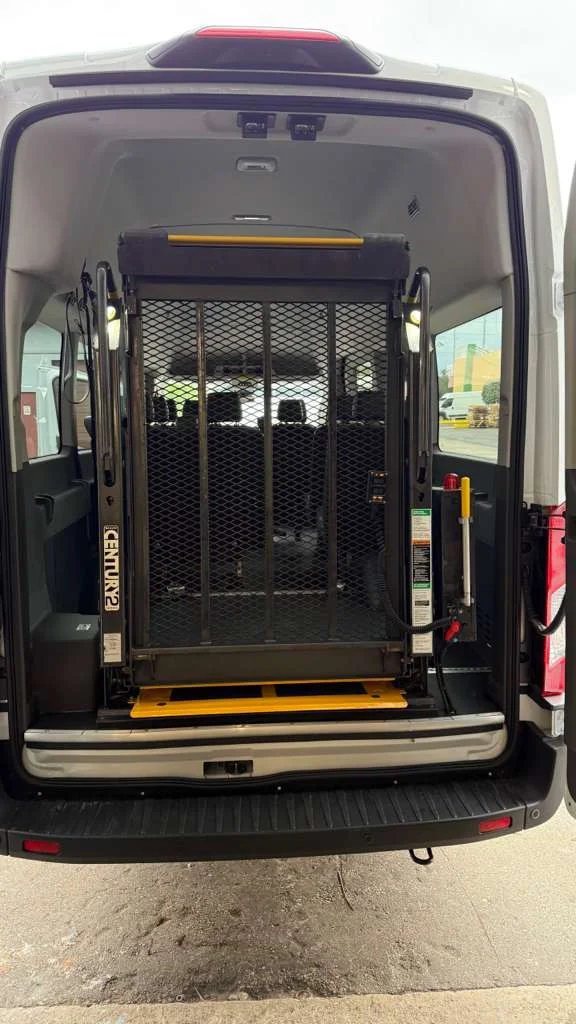
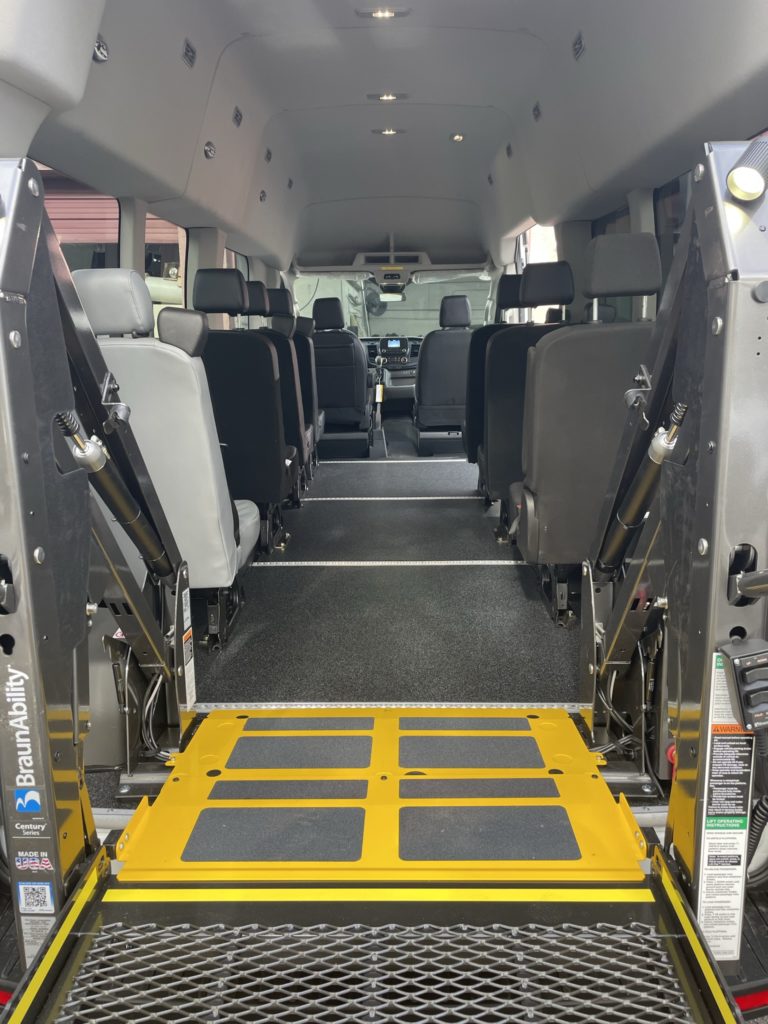
Available solutions may include side-entry access systems, rear-entry configurations, wheelchair ramps, wheelchair lifts, and securement equipment based on the specific needs of each project.
What’s Included in a Wheelchair Van Conversion
Each wheelchair van conversion is designed around the specific transportation requirements of the vehicle owner or organization.
Depending on the project, services may include accessibility equipment installation, interior reconfiguration, wheelchair securement integration, passenger accommodation modifications, and vehicle adaptations designed to improve accessibility, safety, and daily usability.
All modifications are planned according to vehicle specifications, passenger requirements, and long-term operational needs.
Who Uses Our Conversion Services
Wheelchair van conversion services are commonly used by clients who require reliable and consistent accessible transportation solutions, including:
- Individuals requiring full-time wheelchair-accessible personal transportation
- Families adapting vehicles for long-term mobility needs and caregiver support
- Non-Emergency Medical Transport (NEMT) providers requiring compliant and efficient passenger transport systems
- Healthcare institutions, rehabilitation centers, and assisted living facilities
- Commercial transportation fleets operating accessibility-focused mobility services
Each use case requires different system configurations depending on frequency of use, passenger requirements, and vehicle type.
Wheelchair Van Conversion Process
Our conversion process is structured to ensure safety compliance, system reliability, and long-term usability:
- Vehicle assessment including structural compatibility and mobility requirement evaluation
- Selection of conversion type based on accessibility needs (side entry, rear entry, ramp or lift systems)
- Engineering and installation planning based on vehicle specifications
- Installation of mobility systems including ramps, lifts, and securement equipment
- Safety validation, load testing, and system calibration
- Final inspection ensuring operational readiness and compliance with mobility safety standards
Your Mobility Questions, Answered Clearly
Choosing the right wheelchair van conversion often raises practical questions related to usability, compatibility, and long-term performance. Below are some of the most relevant considerations.
How long does a wheelchair van conversion take?
Conversion timelines depend on vehicle type and system configuration. Most standard conversions require a scheduled installation process based on customization requirements.
What is included in a wheelchair van conversion?
Conversions may include ramps, wheelchair lifts, securement systems, and structural modifications depending on the accessibility solution required.
Can any vehicle be converted into a wheelchair accessible van?
Most full-size vans and select minivans can be modified depending on structural compatibility and mobility system requirements.
How much does a wheelchair van conversion cost?
Costs vary based on conversion type, vehicle model, and system complexity. A custom evaluation is required to determine final pricing.
How do I know which accessibility solution is right for my vehicle?
The most appropriate conversion depends on factors such as vehicle type, passenger mobility requirements, transportation objectives, and daily usage. A professional assessment can help determine the most suitable accessibility configuration.
Get a Custom Wheelchair Van Conversion
Every wheelchair van conversion is different, and selecting the right configuration requires a proper evaluation of your needs. We assess your vehicle, wheelchair type, and daily usage to recommend the most suitable solution.
Contact us to get a personalized recommendation based on your specific situation.
Related mobility wheelchair van conversion
We also provide additional mobility vehicle modifications designed for specialized transportation needs, including stretcher van conversion services and multi-purpose accessibility setups for commercial transportation fleets.
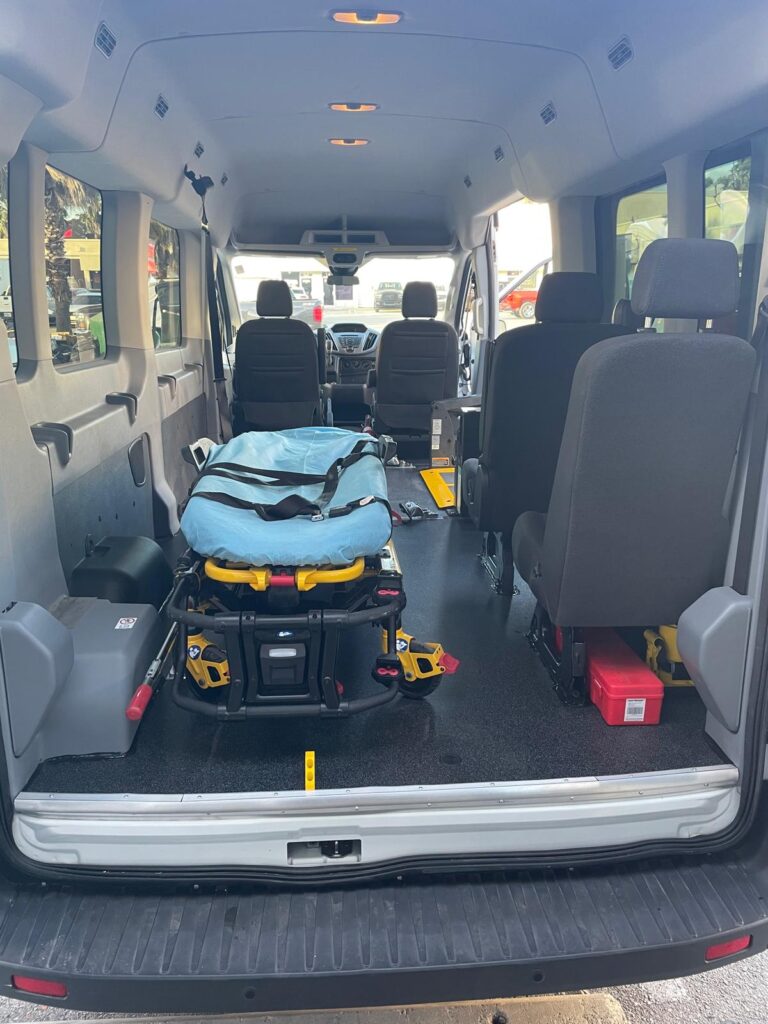

Secure stretcher installations designed for stability and professional medical transport.
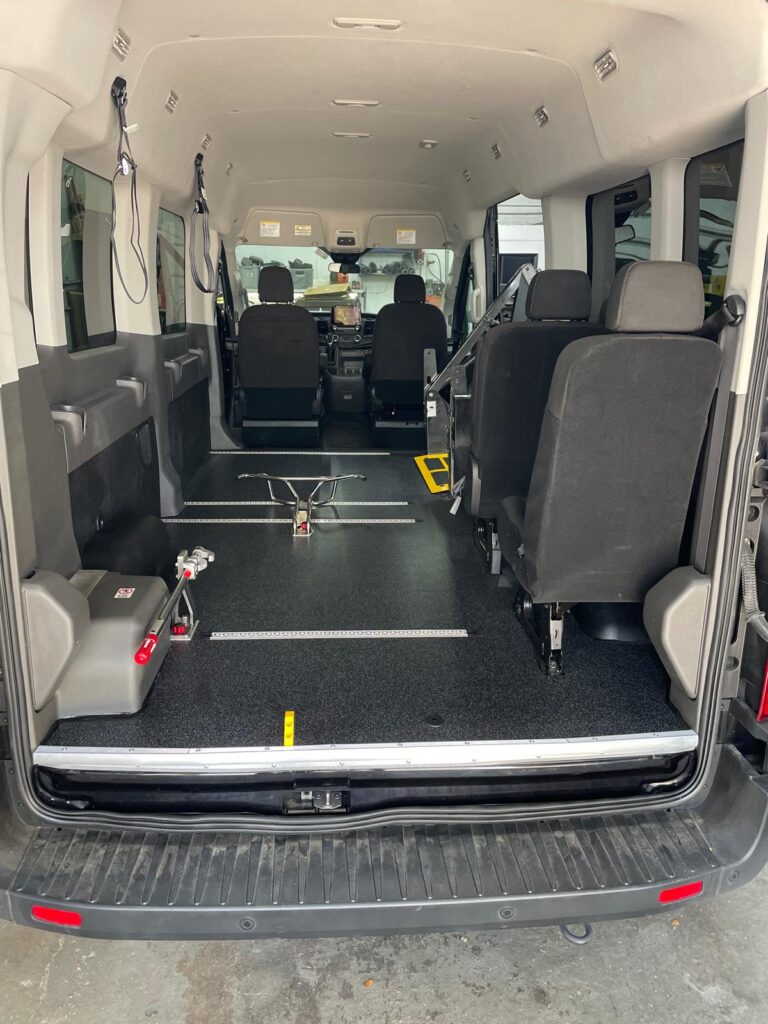

Versatile layouts for transporting stretchers, wheelchairs, and ambulatory passengers at once.
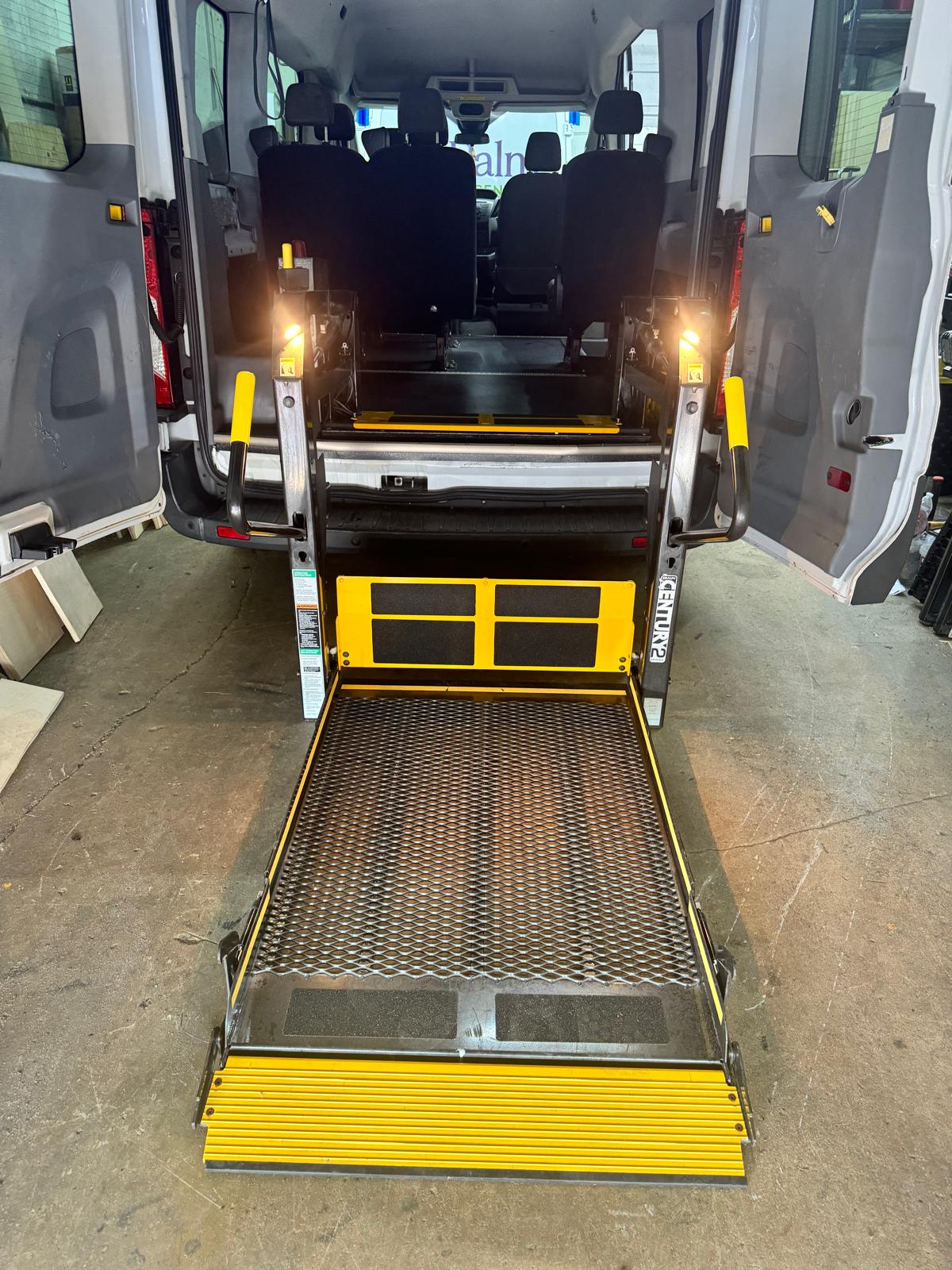

Professional lift servicing to keep your equipment running safely and smoothly.
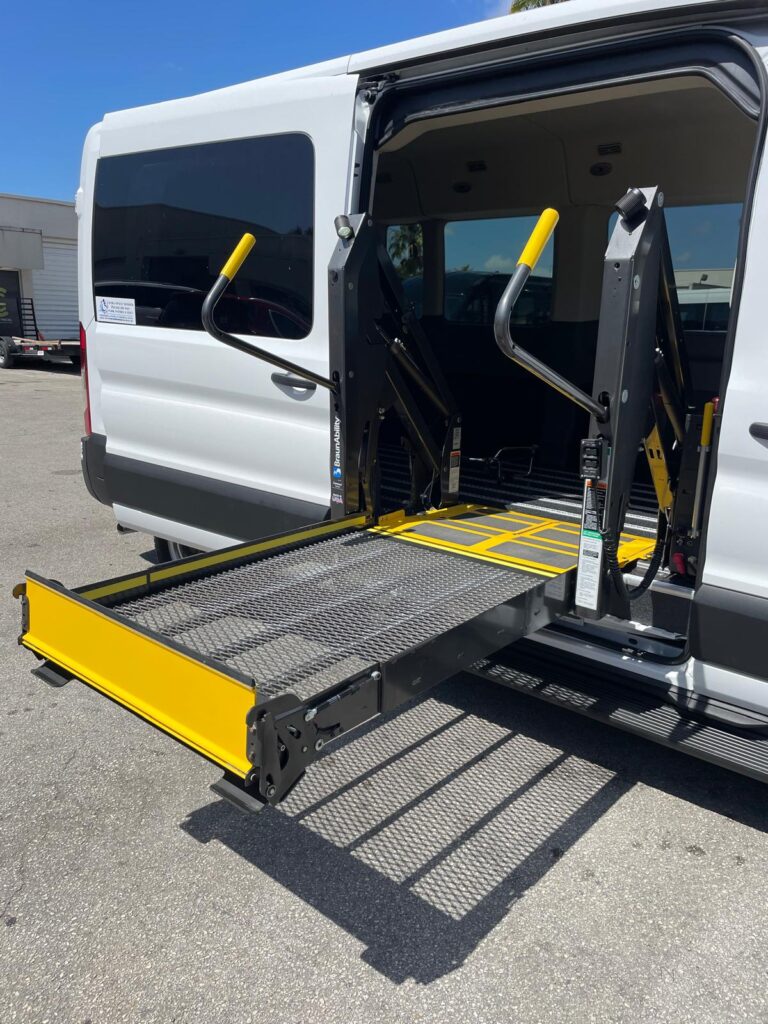

Quality parts and fast road support to reduce downtime and keep your fleet moving.