
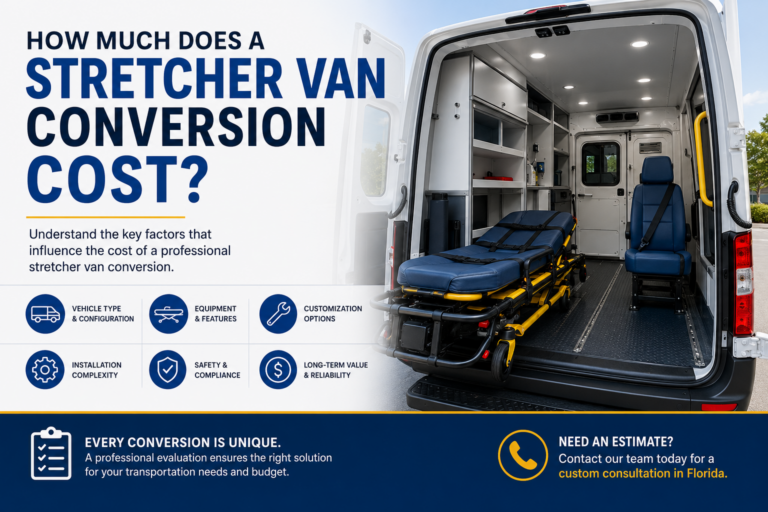
Learn what factors affect wheelchair van lift repair cost, including parts, labor, lift type, and repair complexity.
Read MoreWhat Is Hydraulic Lift Repair?
Hydraulic lift repair refers to the inspection, diagnosis, and correction of problems that affect the performance, safety, and reliability of a hydraulic lift system. Hydraulic wheelchair lifts rely on pressurized fluid, mechanical components, and control systems to raise and lower passengers safely. When one or more of these components fail, professional repair may be required to restore proper operation.
Tabla de contenido
How do hydraulic wheelchair lifts work?
Hydraulic wheelchair lifts operate by using pressurized hydraulic fluid to generate the force required to move the platform. The system typically includes a hydraulic pump, cylinders, hoses, valves, and electronic controls that work together to provide smooth and controlled lift movement.
When all components are functioning correctly, the lift can safely raise and lower passengers while maintaining stability throughout the entire lifting cycle.
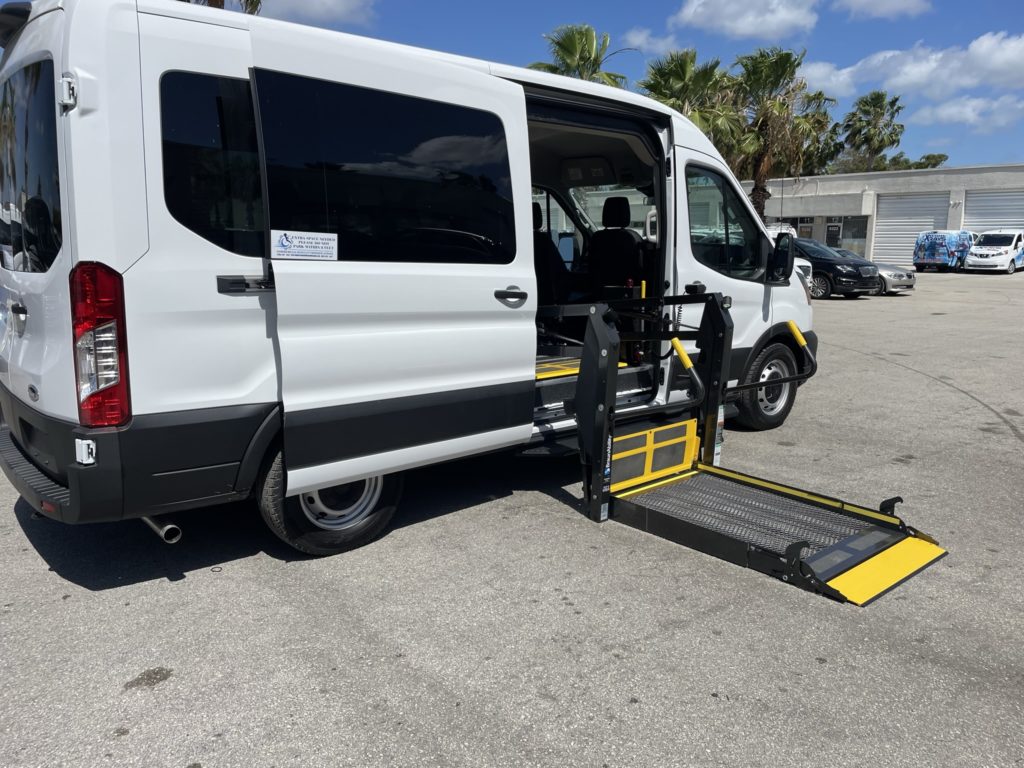
Common Hydraulic Lift Problems and Warning Signs
Hydraulic lift systems can experience a variety of performance issues over time due to component wear, hydraulic pressure fluctuations, environmental exposure, and regular usage. In many cases, these problems begin with subtle warning signs that become more noticeable as system performance deteriorates.
Some of the most common hydraulic lift problems and warning signs include:
Hydraulic Fluid Leaks
Visible hydraulic fluid leaks are among the most common indicators of hydraulic system problems. Leaks can reduce system pressure, affect lifting performance, and contribute to additional wear on hydraulic components if left unaddressed.
Slow or Delayed Platform Movement
A lift platform that moves more slowly than normal or responds with noticeable delays may indicate pressure-related issues or reduced system efficiency. Changes in operating speed can be an early sign that the hydraulic system requires inspection.
Loss of Lifting Power
Reduced lifting capacity or difficulty completing normal lifting cycles may indicate that the system is no longer generating sufficient hydraulic force. This type of performance issue can affect the reliability and consistency of lift operation.
Uneven Platform Movement
The lift platform should move smoothly and remain stable throughout operation. Uneven movement, instability, or irregular platform positioning may indicate underlying hydraulic or mechanical concerns that require evaluation.
Unusual Noises During Operation
Grinding, clicking, vibration, or other unusual sounds during lift operation can indicate that components are experiencing abnormal wear or performance issues. Any significant change in operating noise should be investigated to determine its cause.
Intermittent Lift Operation
A hydraulic lift that functions inconsistently may experience periods of normal operation followed by unexpected performance issues. Intermittent behavior can make accessibility equipment less reliable and may indicate developing system problems.
Recognizing these warning signs early can help identify hydraulic lift issues before they affect daily operation, passenger accessibility, or overall system reliability.
What Causes Hydraulic Lift Failure?
Hydraulic lift failures can occur for several reasons. Normal wear and tear, environmental exposure, heavy usage, and insufficient maintenance may all contribute to reduced system performance.
Common causes of hydraulic lift failure include worn seals, damaged hoses, contaminated hydraulic fluid, pressure loss, valve malfunctions, and deterioration of hydraulic cylinders. Identifying the root cause is essential before any repair work is performed.
How Is Hydraulic Lift Repair Performed?
The hydraulic lift repair process typically begins with a comprehensive inspection of the system. Technicians evaluate lift performance, inspect hydraulic components, and identify any visible signs of wear or damage.
After the inspection, diagnostic testing may be performed to verify hydraulic pressure, system response, and overall operational performance. Once the source of the issue is identified, damaged components can be repaired or replaced as needed.
Following repairs, the lift is tested to confirm proper operation, stability, and safety before being returned to service.
Can Hydraulic Lift Problems Be Prevented?
While not every issue can be avoided, regular maintenance can help reduce the likelihood of unexpected failures. Routine inspections allow potential problems to be identified before they affect lift performance or passenger safety.
Monitoring hydraulic fluid condition, inspecting hoses and fittings, and evaluating overall system performance are important parts of maintaining long-term reliability.
Frequently Asked Questions About Hydraulic Lift Repair
Is hydraulic lift repair always necessary when a lift stops working?
This depends on the underlying cause of the issue. Some operational problems may require repairs, while others may involve adjustments, maintenance, or component replacement.
How long does hydraulic lift repair typically take?
Repair timelines vary depending on the type of failure, the condition of the lift, and the availability of replacement components.
Can hydraulic lift problems affect passenger safety?
Hydraulic lift issues can affect system performance and reliability. For this reason, unusual operation should be evaluated to help maintain safe transportation conditions.
What components are commonly inspected during hydraulic lift service?
Technicians often evaluate hydraulic pumps, cylinders, hoses, valves, fluid condition, electrical controls, and other components that influence lift performance.
Can regular maintenance help reduce hydraulic lift repairs?
Routine inspections and preventive maintenance can help identify developing issues before they lead to larger operational problems.
0 0 votes
Article Rating
Login
0 Comments
Oldest
Newest Most Voted
Related Mobility Repair Services

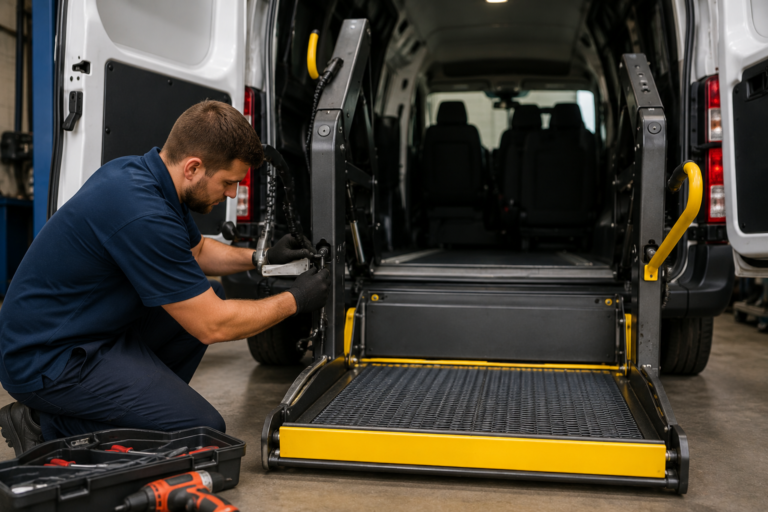
Wheelchair Van Lift Maintenance: How Often?
Learn how often wheelchair van lifts should be serviced and what factors determine their maintenance needs.
Read More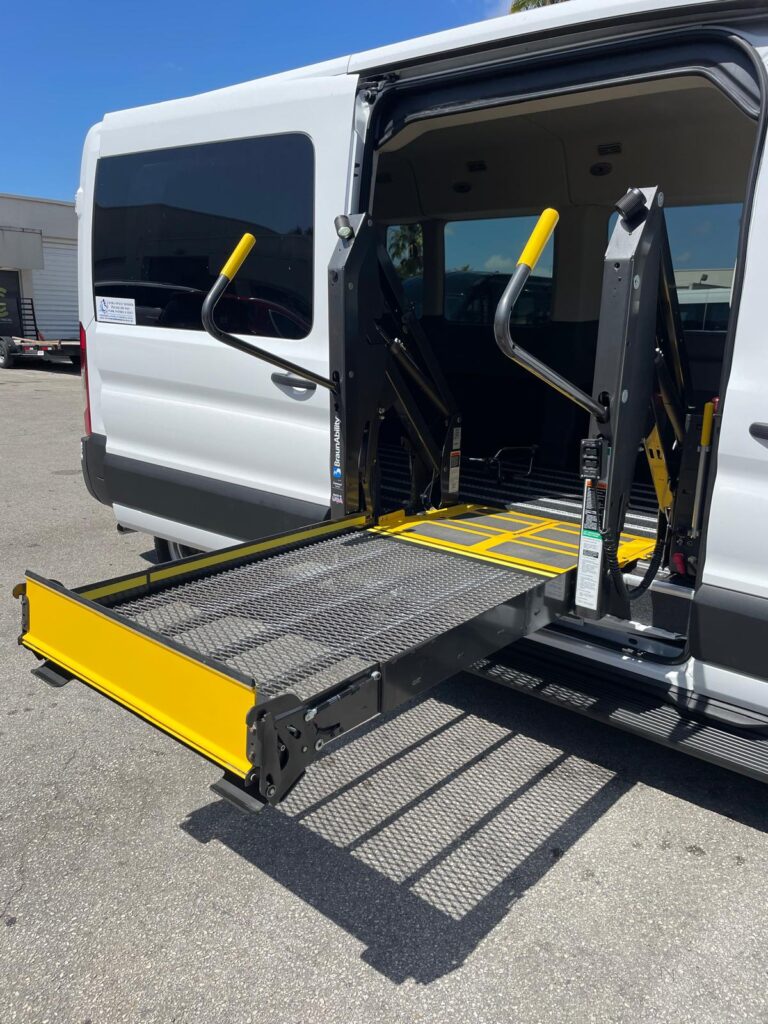
Common Wheelchair Van Lift Problems and Their Warning Signs
Discover common wheelchair van lift problems, including operational issues, unusual noises, alignment concerns, and other warning signs that may indicate...
Read More
Wheelchair Lifts for Cars repair
Learn about wheelchair lifts for cars repair, common lift problems, inspection procedures, troubleshooting steps, and the importance of maintaining safe...
Read More