
Common Wheelchair Van Lift Problems and Their Warning Signs
Tabla de contenido
Common Wheelchair Van Lift Problems and Their Warning Signs
Wheelchair van lifts play an essential role in providing safe and reliable accessibility for passengers with mobility limitations. Like any mechanical and electrical system, wheelchair lifts can experience operational issues over time due to regular use, environmental conditions, and normal component wear.
Recognizing the early warning signs of lift problems can help vehicle owners and transportation providers address potential issues before they affect passenger safety or disrupt daily transportation operations.
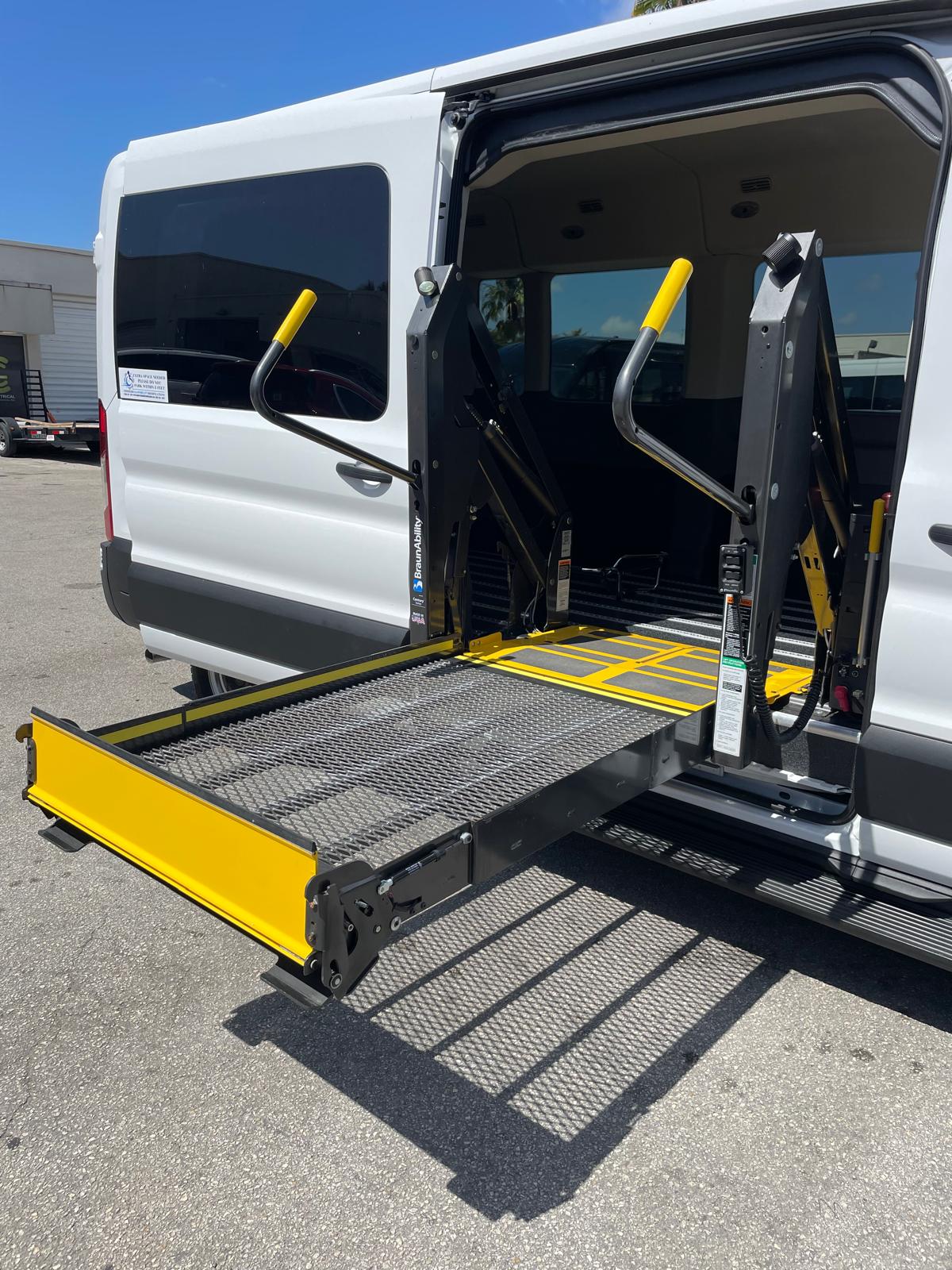
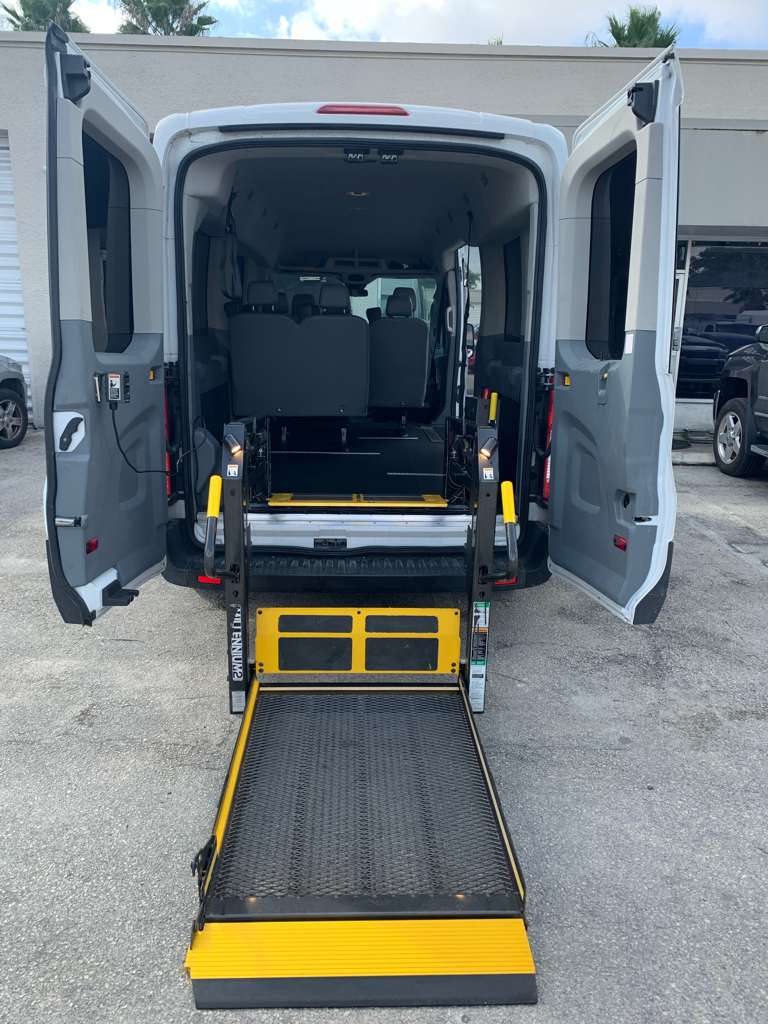
Why Wheelchair Van Lifts Experience Problems
Wheelchair van lifts operate through a combination of mechanical, electrical, and, in some cases, hydraulic components. Frequent use, exposure to weather conditions, and long-term wear can gradually affect system performance.
Over time, components may require inspection, adjustment, or servicing to ensure the lift continues operating safely and reliably. Identifying unusual behavior early can help prevent more significant operational disruptions.
Lift Platform Does Not Raise or Lower Properly
One of the most common signs of a potential lift issue is difficulty raising or lowering the platform. The lift may move more slowly than usual, stop unexpectedly during operation, or fail to complete its full travel range.
When the platform does not operate smoothly, it may indicate that the system requires professional evaluation to determine the underlying cause and restore proper functionality.
Unusual Noises During Lift Operation
Wheelchair van lifts are designed to operate in a controlled and predictable manner. Grinding sounds, excessive vibration, clicking noises, or other unusual sounds during operation may indicate that certain components are not functioning as intended.
Changes in operating noise should be monitored closely, especially if they become more frequent or are accompanied by changes in lift performance.
Lift Stops Working Unexpectedly
A lift that stops responding or operates intermittently can create significant accessibility challenges. In some situations, the lift may function normally one day and fail to operate correctly the next.
Intermittent performance issues can make transportation planning difficult and may signal the need for a professional inspection to identify potential system faults.
Platform Alignment Issues
Proper platform alignment is important for safe passenger boarding and exiting. If the platform appears uneven, does not deploy consistently, or does not align correctly during operation, the lift may require evaluation.
Alignment issues can affect overall lift usability and may reduce the efficiency of daily transportation activities.
Safety Features Not Functioning Correctly
Modern wheelchair van lifts often incorporate safety mechanisms designed to support safe operation. If safety-related functions appear inconsistent or fail to operate as expected, the system should be assessed as soon as possible.
Reliable safety performance is an important part of maintaining accessibility and passenger confidence during transportation.
When Should You Schedule Professional Lift Service?
Any noticeable change in lift performance, unusual operating behavior, or recurring operational issue should be evaluated by a qualified professional. Early assessment can help identify potential concerns before they affect transportation reliability or accessibility.
Regular inspections and timely service can help support long-term lift performance and reduce the likelihood of unexpected downtime.
Frequently Asked Questions About Wheelchair Van Lift Problems
What causes a wheelchair van lift to stop working?
Wheelchair van lifts can experience operational issues due to component wear, electrical concerns, environmental exposure, or other factors that affect overall system performance.
Are unusual noises a sign of lift problems?
In many cases, unusual noises may indicate that certain lift components require inspection. Any significant change in operating sound should be evaluated to determine whether service is needed.
Can lift problems become worse over time?
Yes. Some operational issues may gradually become more noticeable if they are not addressed, potentially affecting lift reliability and usability.
How often should wheelchair van lifts be inspected?
Inspection frequency depends on vehicle usage, operating conditions, and manufacturer recommendations. Vehicles used regularly may benefit from routine evaluations to help maintain safe operation.
When should a wheelchair van lift be professionally evaluated?
A professional evaluation may be appropriate whenever the lift experiences unusual operation, inconsistent performance, alignment concerns, or any issue that affects normal accessibility functions.