How Often Should a Wheelchair Van Lift Be Serviced?

Tabla de contenido

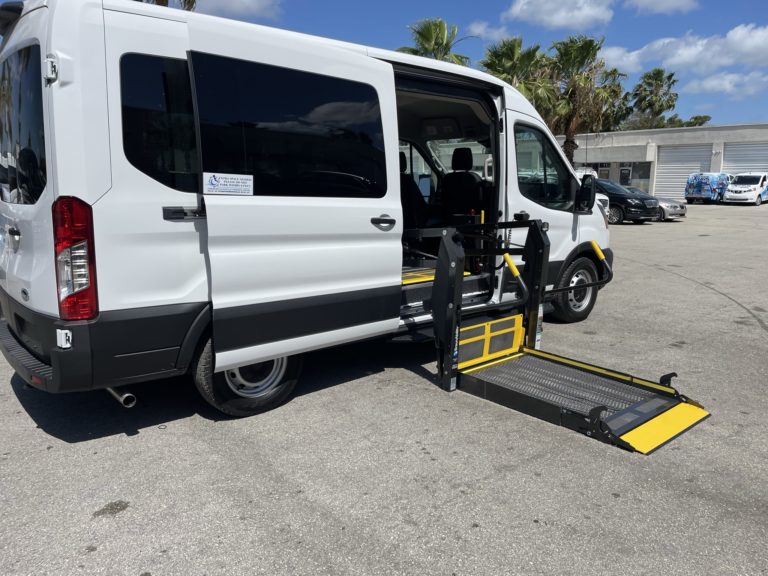
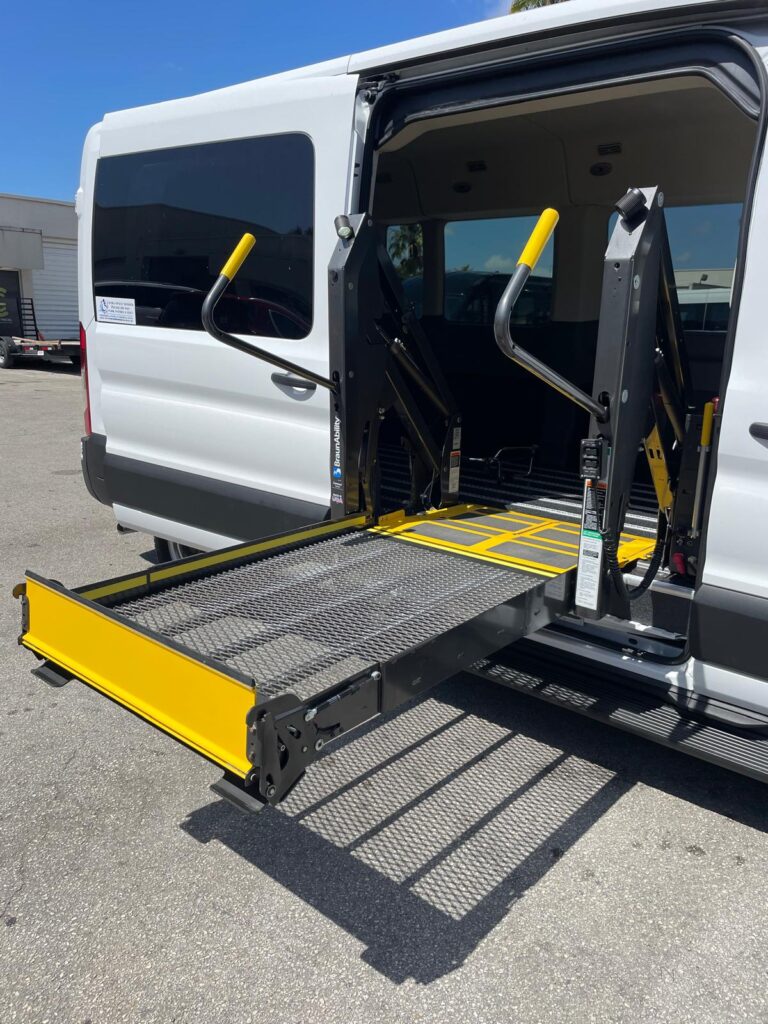
Wheelchair van lifts are used frequently to provide safe and reliable vehicle access for wheelchair users. Like other vehicle accessibility equipment, they require regular inspection and maintenance to help maintain proper operation over time. But how often should a wheelchair van lift be serviced?


There is no single maintenance interval that applies to every lift. Service frequency depends on factors such as how often the lift is used, the vehicle’s operating environment, the lift system, and the manufacturer’s recommendations. Regular professional inspections can help identify wear or performance changes before they result in unexpected downtime.

How Often Should a Wheelchair Van Lift Be Inspected?

The appropriate inspection schedule depends primarily on how the lift is used. A lift that operates several times every day may require more frequent attention than one used occasionally.


Commercial transportation providers, NEMT operators, assisted living facilities, and other organizations with high daily usage should pay particular attention to preventive maintenance. Frequent loading and unloading places repeated demands on the lift’s mechanical, electrical, and structural components.


Following the lift manufacturer’s maintenance recommendations provides an important starting point. Professional inspections can then be scheduled according to the vehicle’s actual usage and operating conditions.

Factors that can affect service frequency include:

  • Frequency of daily lift use
  • Number of loading and unloading cycles
  • Vehicle operating conditions
  • Exposure to moisture, dirt, or road debris
  • Age and condition of the lift
  • Manufacturer maintenance recommendations

Why Preventive Wheelchair Lift Maintenance Matters

Preventive maintenance helps identify potential issues before they develop into larger equipment failures. Regular inspections can reveal signs of component wear, electrical problems, or changes in lift performance that may otherwise go unnoticed during normal operation.


Maintaining the lift properly can also help reduce unexpected downtime and support more consistent accessibility for passengers who depend on the equipment for daily transportation.


The goal of preventive maintenance is not simply to repair a lift after it stops working. It is to identify conditions that could affect safe and reliable operation before they become more serious.

What Is Checked During a Wheelchair Lift Service?

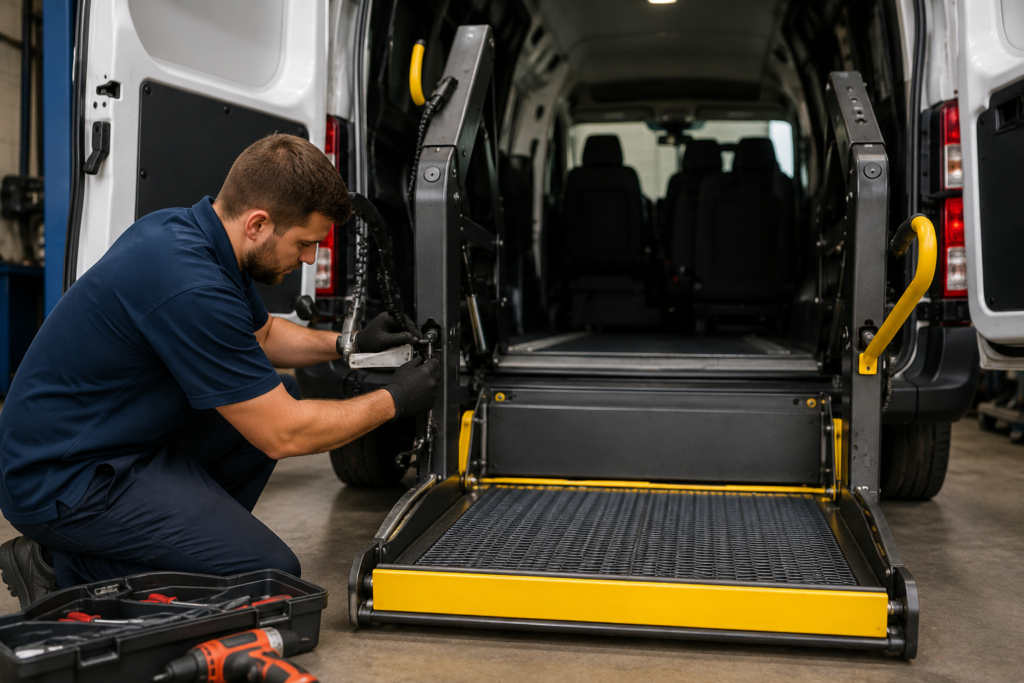
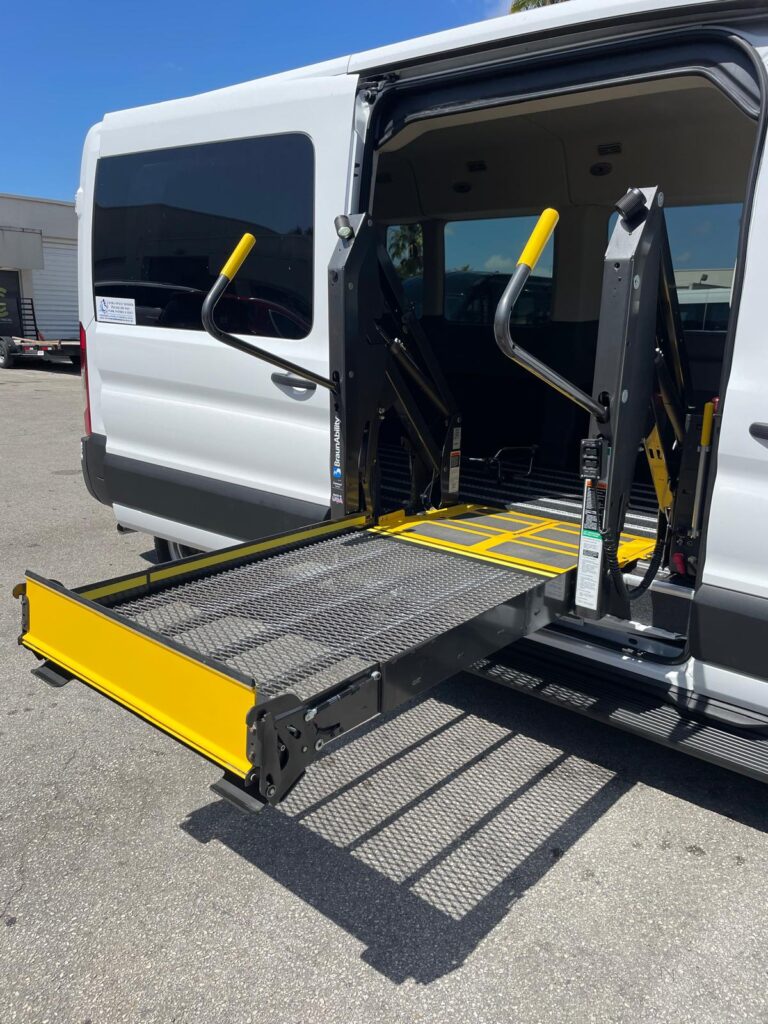
A professional service inspection can include an evaluation of the lift’s main operating components and safety-related systems. The exact inspection procedure varies depending on the lift design and manufacturer.

Technicians may evaluate:

  • Lift movement and overall operation
  • Electrical connections and controls
  • Mechanical components
  • Platform stability
  • Mounting and structural components
  • Safety mechanisms
  • Visible signs of wear or damage

If an inspection identifies a component that requires attention, addressing it early may help prevent a more significant failure later.

When Should a Wheelchair Van Lift Be Serviced?

In addition to scheduled maintenance, a wheelchair van lift should be inspected when its normal operation changes. Unusual behavior can indicate that a component requires professional evaluation even if the next scheduled service is not due.


Changes such as slower operation, inconsistent movement, unusual sounds, or intermittent performance should not be ignored. These symptoms can have different causes, so professional diagnosis is preferable to replacing components without identifying the underlying issue.


If the lift no longer operates reliably or safely, professional wheelchair van lift repair may be necessary.

Does Lift Usage Affect Maintenance Needs?

Yes. Usage is an important factor when determining how frequently a wheelchair van lift should be inspected.


A lift used repeatedly throughout the day by a commercial transportation fleet experiences significantly more operating cycles than a lift used occasionally by a private vehicle owner. High-use applications may therefore require closer monitoring and more frequent professional attention.


Fleet operators can also benefit from keeping maintenance records that document inspections, repairs, and component replacements. This makes it easier to identify recurring issues and plan future service.

How Can You Help Maintain a Wheelchair Van Lift?

Proper day-to-day care can complement professional maintenance. Vehicle operators should follow the manufacturer’s operating instructions and avoid using the lift outside its intended capacity or configuration.


Keeping the lift area clean and paying attention to changes in performance can also help identify potential issues early. However, routine operator checks should not replace professional inspection when a mechanical, electrical, or structural concern is suspected.

When Should You Contact a Wheelchair Van Lift Repair Specialist?

Professional evaluation is recommended when a lift develops a noticeable change in performance or when routine operation becomes unreliable.


Early attention can help determine whether the issue requires adjustment, maintenance, component replacement, or more extensive repair. This can reduce unnecessary downtime and help keep the vehicle available for daily transportation.


If your wheelchair van lift requires professional evaluation or repair, Commercial Mobility Modifications provides wheelchair van lift repair services in Florida.

Related Mobility Repair Services

Need a Mobility Conversion?

Get fast assistance from our specialists. Click below to talk with us now.

Over 15 years of specialized experience Over 15 years of specialized experience Over 15 years of specialized experience
0
Would love your thoughts, please comment.x
()
x