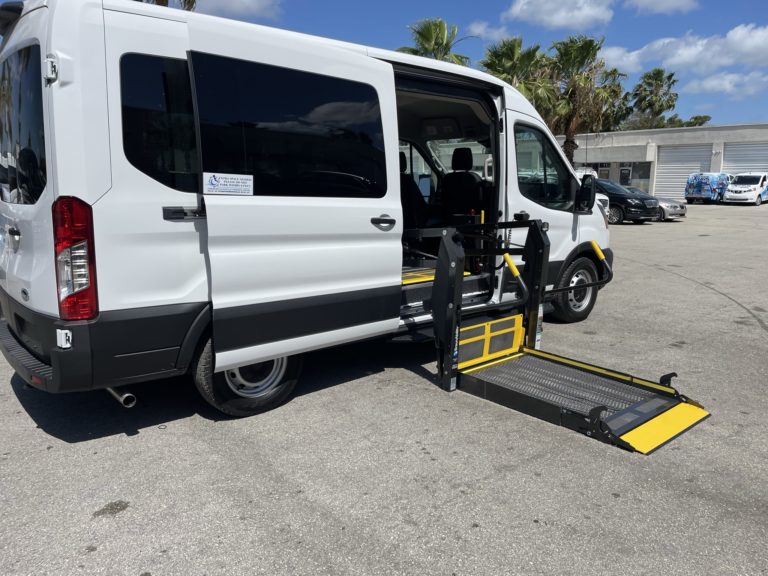
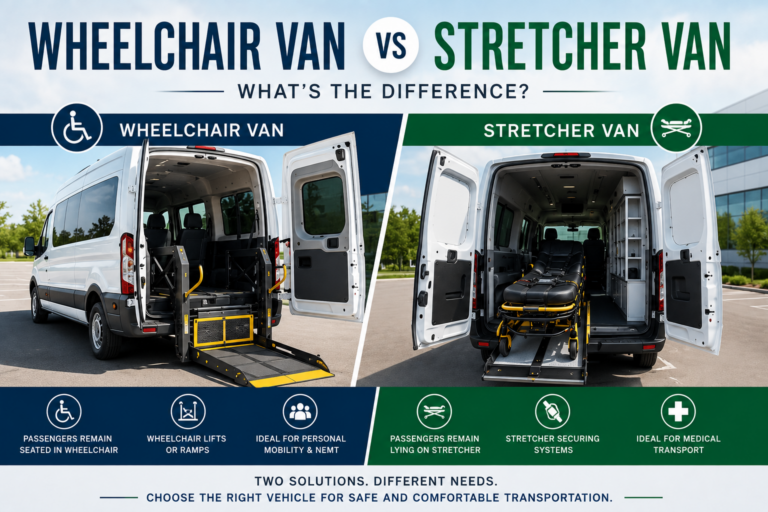
Explore the differences between side entry and rear entry wheelchair van conversions, including accessibility, vehicle operation, passenger needs, and transportation...
Read MoreWhat Vehicles Can Be Made Wheelchair Accessible?
Tabla de contenido
What Vehicles Can Be Made Wheelchair Accessible?
Wheelchair accessibility can be added to a wide range of vehicles depending on transportation needs, passenger requirements, and the type of accessibility equipment being installed. Common wheelchair-accessible vehicles include minivans, full-size vans, shuttle buses, commercial transportation vehicles, and medical transport vehicles.
Vehicle accessibility modifications may include wheelchair lifts, wheelchair ramps, securement systems, stretcher positions, ambulatory seating configurations, and other mobility equipment designed to improve passenger accessibility and safety.
Wheelchair Accessible Minivans
Minivans are commonly converted for personal transportation and mobility services. Depending on the vehicle model, modifications may include side-entry ramps, rear-entry ramps, wheelchair securement systems, and accessibility seating solutions.
Wheelchair Accessible Full-Size Vans
Full-size vans such as the Ford Transit, Mercedes-Benz Sprinter, and RAM ProMaster are among the most popular vehicles for wheelchair accessibility conversions. These vehicles offer greater interior space and can accommodate multiple wheelchair positions, ambulatory passengers, or stretcher transport configurations.
Commercial Transportation Vehicles
Transportation providers, assisted living facilities, adult day care centers, and NEMT operators often rely on wheelchair-accessible commercial vehicles. These vehicles can be configured for wheelchair transportation, ambulatory seating, stretcher transport, or a combination of passenger layouts.
Medical Transportation Vehicles
Medical transportation vehicles are commonly used by healthcare providers, rehabilitation programs, and non-emergency medical transportation services. These vehicles are selected because they can accommodate passengers with a wide range of mobility requirements while supporting safe and efficient transportation operations.
Factors to Consider When Selecting an Accessible Vehicle
Choosing the right vehicle depends on factors such as passenger capacity, transportation frequency, operating environment, and mobility requirements. Different vehicle categories offer different advantages, making it important to evaluate transportation needs before selecting a vehicle platform.
How to Choose the Right Wheelchair Accessible Vehicle
The best vehicle depends on passenger capacity, accessibility requirements, transportation services provided, and operational needs. Factors such as wheelchair positions, stretcher requirements, ambulatory seating capacity, and lift system compatibility should be evaluated before selecting a vehicle conversion.
Learn More About Accessible Vehicle Solutions
Understanding which vehicles can be adapted for accessibility is often the first step when evaluating transportation options. You may also want to explore how wheelchair van conversions work or compare different accessibility configurations used in mobility vehicles.
Related Mobility Repair Services
What Is a Wheelchair Van Conversion?
Learn what a wheelchair van conversion is, how it works, and the different types available for improving vehicle accessibility and...
Read MoreHow Interior Layout Design Impacts Wheelchair Van Efficiency
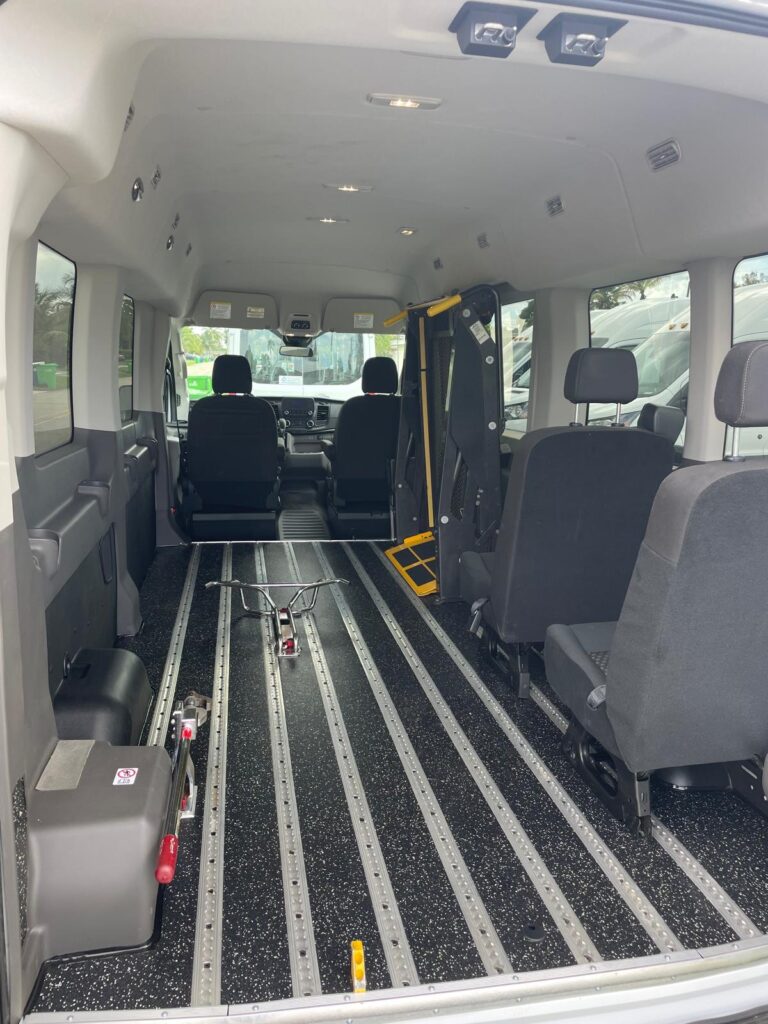
Learn how interior layout design affects safety, efficiency, and daily operations in wheelchair-accessible vans used for medical and mobility transportation.
Read MoreImprove medical transport operations with proper
Learn how proper vehicle documentation helps medical transport services improve efficiency, reduce risks, and maintain smooth daily operations.
Read More