Discover the essential equipment found in professional stretcher vans and learn how each component supports safe and reliable patient transportation.
Read MoreWhat Equipment Is Required in a Stretcher Van?
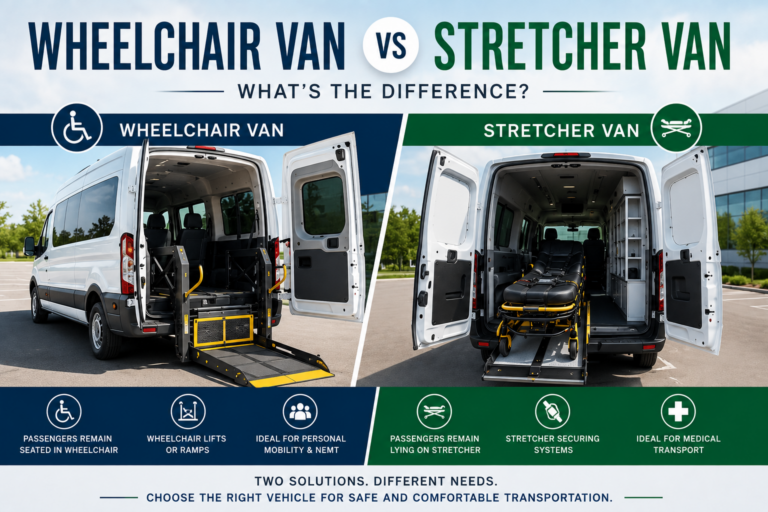
Tabla de contenido
- Mobility Vehicle Modifications
- July 12, 2026
What Equipment Is Required in a Stretcher Van?
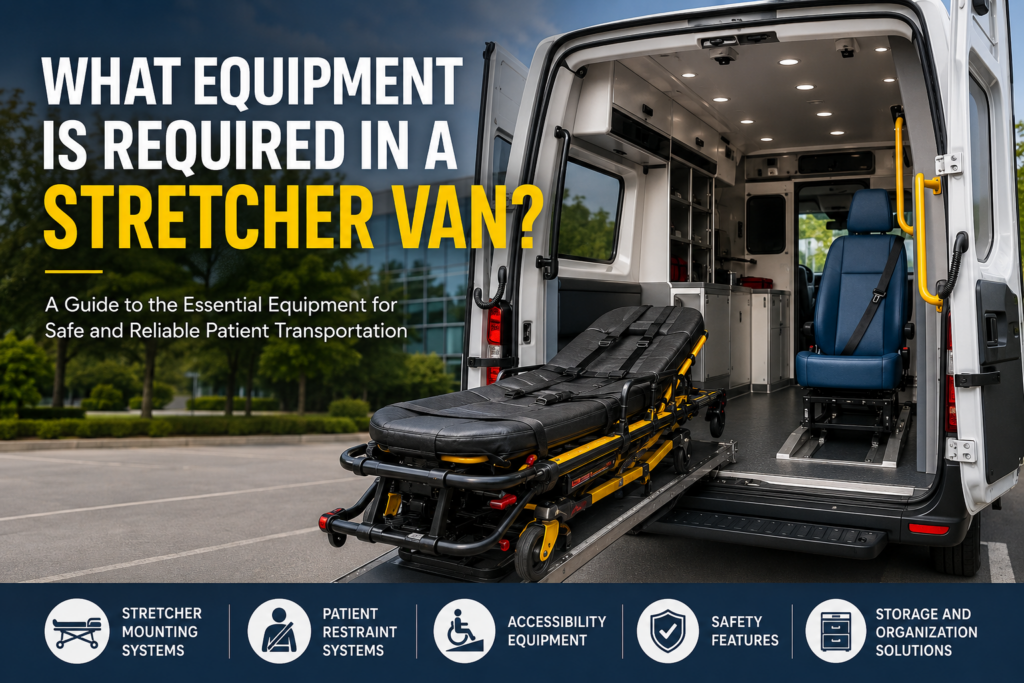
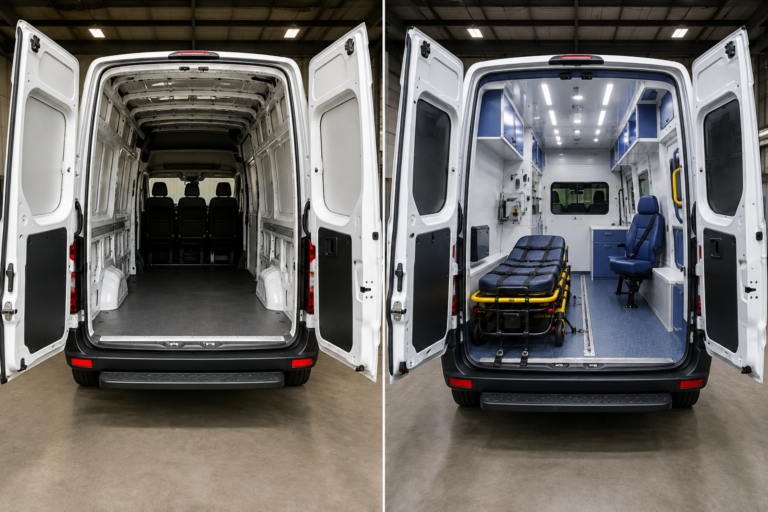
A professional stretcher van requires more than simply providing space for a stretcher. To support safe and reliable patient transportation, these vehicles are equipped with specialized systems designed to secure the patient, improve accessibility, and facilitate daily transport operations. The specific equipment may vary depending on the vehicle configuration and transportation requirements, but several components are commonly found in most professional stretcher transport vehicles.

Stretcher Mounting System
One of the most important components in a stretcher van is the stretcher mounting system. This equipment securely locks the stretcher in place during transportation, helping minimize movement and maintain patient stability throughout the journey. Mounting systems are designed to provide reliable retention while allowing efficient loading and unloading procedures.
Patient Restraint Systems
Patient restraint systems help secure the occupant during transportation by reducing unnecessary movement. These systems are designed to improve safety and maintain patient positioning throughout the trip while supporting transportation best practices.
Reinforced Flooring and Anchoring Systems
Professional stretcher vans typically include reinforced flooring and structural anchoring points designed to support stretcher mounting equipment. These components improve structural stability and help withstand the repeated loading forces generated during daily transportation.
Loading and Accessibility Equipment for Stretcher Vans
Accessibility equipment should support safe passenger entry and exit while considering applicable accessibility guidelines, such as those established under the Americans with Disabilities Act (ADA).
Interior Safety Features in a Stretcher Van
Additional safety equipment may include non-slip flooring, interior lighting, emergency exits, storage compartments for medical accessories, and properly positioned handrails. Together, these components contribute to a safer transportation environment for both patients and caregivers.
Why Proper Equipment Is Essential in a Stretcher Van
Properly installed equipment helps improve passenger safety, operational efficiency, and long-term vehicle reliability. Selecting appropriate components based on transportation requirements also supports consistent daily operation and helps create a functional environment for patient transportation.
Frequently Asked Questions
Is all stretcher van equipment permanently installed?
Not always. Some equipment is permanently integrated into the vehicle, while other accessories may be removable or configurable depending on operational requirements and vehicle design.
Can stretcher van equipment be customized for different transportation needs?
Yes. Equipment configurations may vary depending on passenger transportation requirements, vehicle layout, and the operational needs of the organization using the vehicle.
Does every medical transport vehicle use the same equipment?
No. Equipment varies according to the intended use of the vehicle, passenger requirements, and the type of transportation service being provided.
How often should stretcher van equipment be inspected?
Inspection intervals depend on vehicle usage, transportation frequency, and maintenance recommendations. Regular inspections help ensure that safety equipment remains in proper working condition.
Related Mobility Repair Services
Wheelchair Van vs Stretcher Van: Key Differences Explained
Learn the differences between wheelchair vans and stretcher vans, including passenger needs, accessibility features, medical transport applications, and vehicle configurations.
Read MoreWho needs a Stretcher Van?
A stretcher van is required when a patient cannot safely travel in a seated position during real transport conditions such...
Read More