
Stretcher Van vs Ambulance: What's the Difference?
Tabla de contenido
Stretcher Van vs Ambulance: What's the Difference?
When transporting patients, selecting the appropriate vehicle is essential for safety, operational efficiency, and compliance with transportation requirements. Although stretcher vans and ambulances may appear similar at first glance, they are designed for different purposes and serve different types of patient transportation.
Understanding how these vehicles differ can help healthcare organizations, Non-Emergency Medical Transportation (NEMT) providers, rehabilitation centers, and private transport companies determine which solution best meets their operational needs.
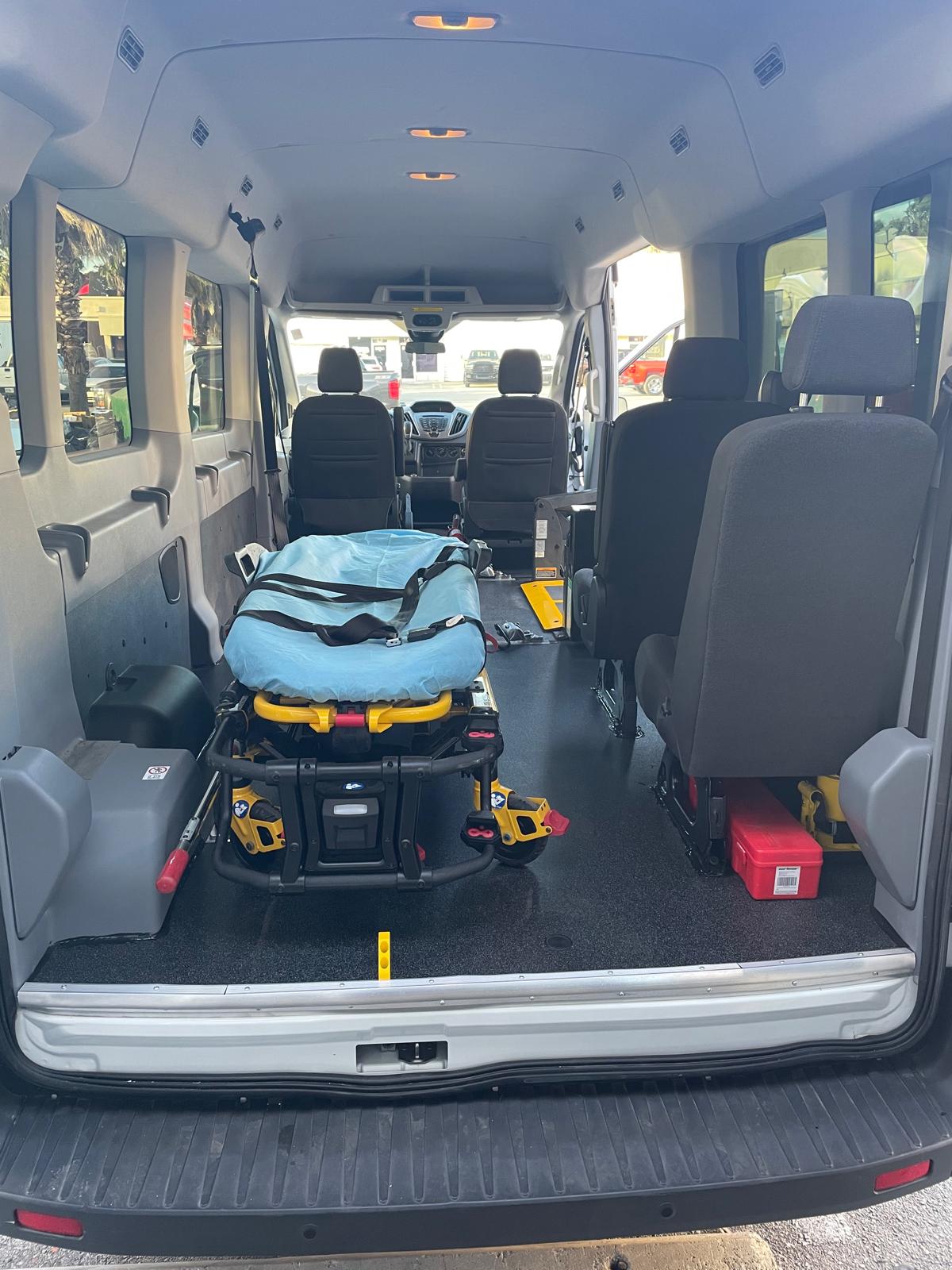
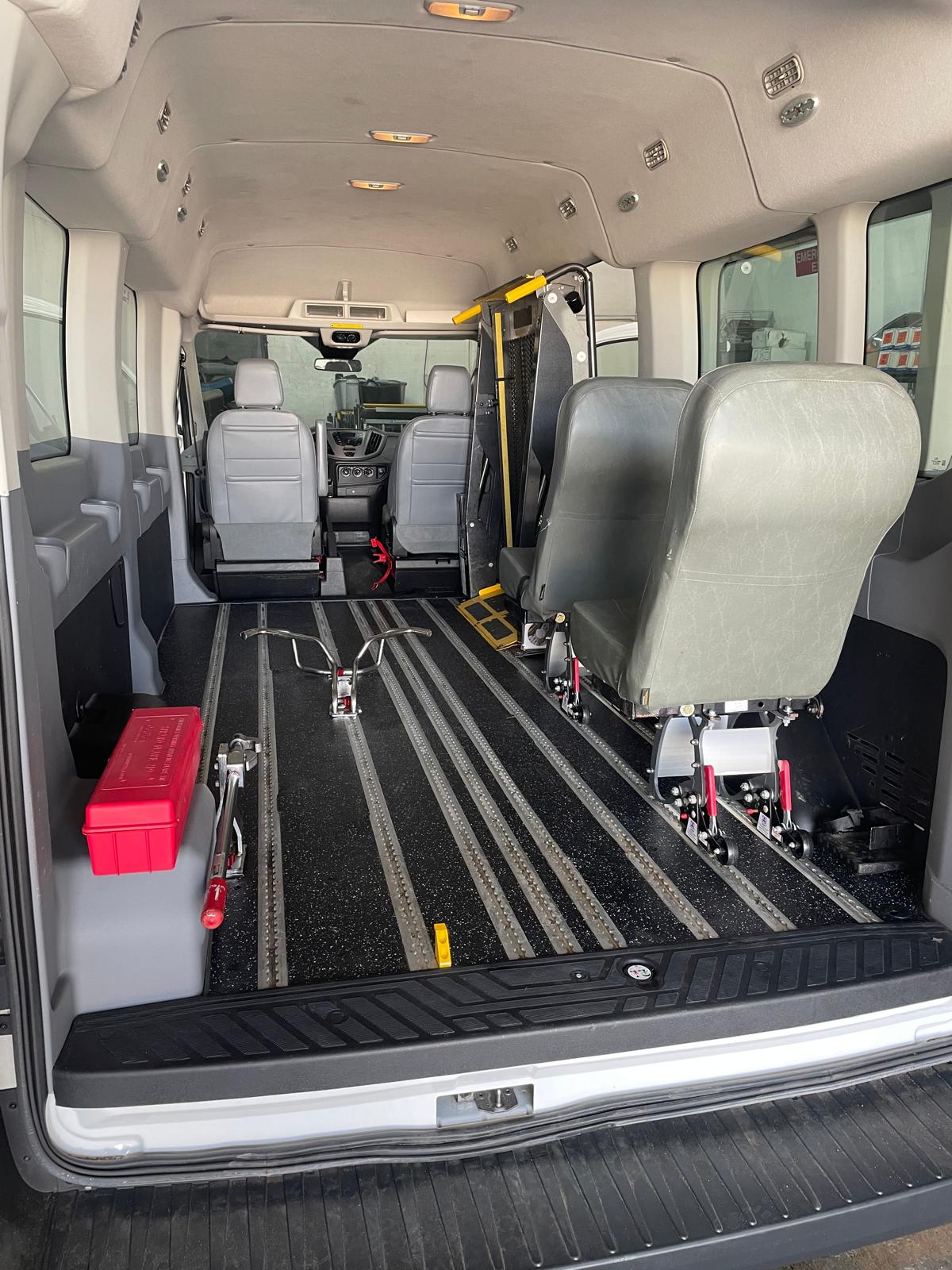
What Is a Stretcher Van?
A stretcher van is a specialized vehicle designed to transport passengers who must remain lying down during travel but do not require emergency medical treatment. These vehicles are commonly used for scheduled medical transportation and are equipped with secure stretcher mounting systems, patient restraint equipment, and interior modifications that improve safety and accessibility.
Unlike emergency response vehicles, stretcher vans focus on providing stable and comfortable transportation between medical facilities, rehabilitation centers, nursing homes, dialysis clinics, and other healthcare destinations.
Because these vehicles are intended for non-emergency transportation, their configuration prioritizes patient stability, operational efficiency, and compliance with medical transportation standards rather than advanced emergency medical equipment.
What Is an Ambulance?
An ambulance is an emergency response vehicle designed to provide immediate medical care while transporting patients who require urgent or life-threatening medical attention. In addition to transporting patients, ambulances are equipped with specialized emergency medical equipment that allows healthcare professionals to monitor, stabilize, and treat patients during transit.
Depending on the type of ambulance and the level of medical service provided, these vehicles may include cardiac monitors, oxygen systems, suction equipment, emergency medications, and advanced life-support devices.
Because ambulances are intended for emergency response, their design, equipment, and staffing requirements differ significantly from those of stretcher vans used for non-emergency medical transportation.
Key Differences Between a Stretcher Van and an Ambulance
Although both vehicles are designed to transport patients, stretcher vans and ambulances serve different purposes. The primary distinction lies in the level of medical care provided during transportation.
A stretcher van is intended for non-emergency medical transportation (NEMT). It safely transports patients who need to remain on a stretcher but whose condition does not require emergency medical intervention during the trip.
An ambulance, on the other hand, is built for emergency response. It is equipped with advanced medical equipment and staffed by trained emergency medical personnel capable of providing immediate treatment while transporting patients.
The following comparison highlights the main differences between both transportation solutions.
When Is a Stretcher Van the Right Choice?
A stretcher van is often the most appropriate solution when patients require transportation while lying down but do not need continuous emergency medical care during the journey.
These vehicles are commonly used for scheduled transportation between healthcare facilities and are designed to provide safe, comfortable, and efficient patient transfers.
Typical situations where a stretcher van may be the preferred option include:
- Hospital discharge transportation
- Rehabilitation center transfers
- Dialysis appointments
- Long-term care facility transportation
- Non-emergency medical appointments
- Patient transfers between healthcare facilities
For these transportation needs, a professionally converted stretcher van offers a practical solution that supports patient comfort while improving fleet efficiency.
Who Typically Uses Stretcher Vans?
Stretcher vans are widely used by organizations that provide non-emergency patient transportation. Because these vehicles are designed for safe and efficient stretcher transport, they are commonly integrated into healthcare fleets serving patients with mobility or medical transportation needs.
Organizations that frequently operate stretcher vans include:
- Non-Emergency Medical Transportation (NEMT) providers
- Hospitals
- Rehabilitation centers
- Skilled nursing facilities
- Assisted living communities
- Dialysis centers
- Private medical transportation companies
- Government and community transportation programs
Each organization may require a different interior configuration depending on patient volume, transportation services, and operational workflow.
Frequently Asked Questions About Stretcher Vans and Ambulances
Can a stretcher van transport emergency patients?
No. Stretcher vans are designed for non-emergency medical transportation (NEMT). They are intended to transport patients whose condition is stable and does not require emergency medical care during the journey. Patients experiencing life-threatening conditions should be transported in an ambulance equipped with emergency medical personnel and advanced life-support equipment.
Can a commercial van be converted into a stretcher van?
Yes. Many commercial vans can be professionally converted by installing stretcher mounting systems, restraint equipment, reinforced flooring, and other modifications required for safe patient transportation. The specific configuration depends on the vehicle model and the transportation requirements.
What is the main advantage of a stretcher van?
The primary advantage is providing safe, efficient, and cost-effective transportation for patients who require stretcher transport but do not need emergency medical care. This makes stretcher vans an ideal solution for scheduled medical transportation services.
Are stretcher vans used only for hospitals?
No. Stretcher vans are also used by rehabilitation centers, dialysis clinics, nursing facilities, NEMT providers, assisted living communities, and private medical transportation companies.
Do stretcher vans require emergency medical equipment?
Not necessarily. Stretcher vans are designed for non-emergency transportation and their equipment depends on transportation requirements rather than emergency response capabilities.
How do I choose between a stretcher van and an ambulance?
The decision depends primarily on the patient’s medical condition and the level of care required during transport. Stable patients who do not require emergency treatment are often transported in stretcher vans, while emergency situations require an ambulance.
Need a Professional Stretcher Van Conversion?
Choosing between a stretcher van and an ambulance depends on the type of transportation your organization provides. If your operation focuses on non-emergency patient transportation, a professionally converted stretcher van can improve safety, efficiency, and long-term operational performance.
Commercial Mobility Modifications designs and installs customized stretcher van conversion solutions for healthcare providers, transportation companies, and medical fleets throughout Florida.
Explore our Stretcher Van Conversion services to learn more about available configurations and professional vehicle modifications.