
HANDICAP VAN CONVERSION
A handicap van conversion is the modification of a standard vehicle to make it accessible for wheelchair users by integrating systems such as ramps, lifts, and lowered floors to improve safety, independence, and daily mobility.
These conversions include structural and mechanical changes that allow users to enter and exit the vehicle without assistance, with configurations tailored to the type of wheelchair, level of mobility, and intended vehicle use.
Tabla de contenido
Choosing an unsuitable system can create accessibility limitations, reduce comfort, and require additional modifications over time, while well-designed conversions improve safety, ease of use, and independence for personal, medical, and commercial transportation.
Main Types of Handicap Van Conversions
There are two primary conversion configurations, each designed for different accessibility needs and vehicle types.
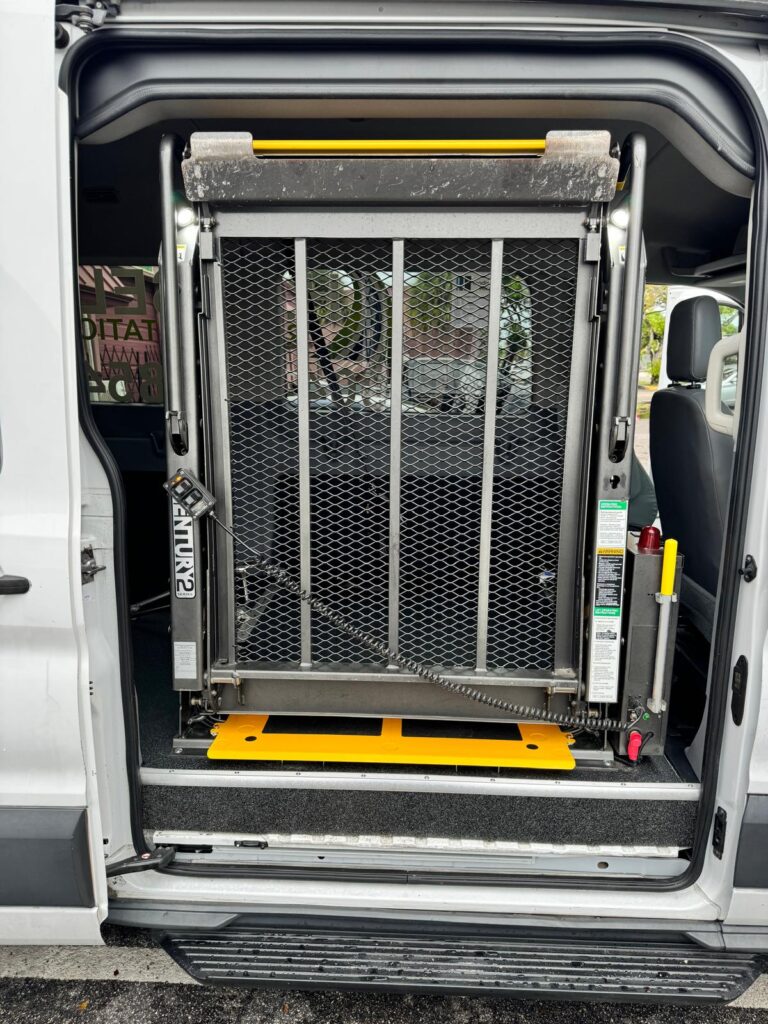
Side-Entry Conversions
Side-entry vans allow wheelchair access through the passenger side door using a ramp or lift system. This is the most common configuration because it provides:
- Easier curbside access
- Better passenger positioning (front or mid-cabin)
- More natural seating alignment with the driver or family members
Side-entry systems are ideal for personal mobility and long-term daily use.
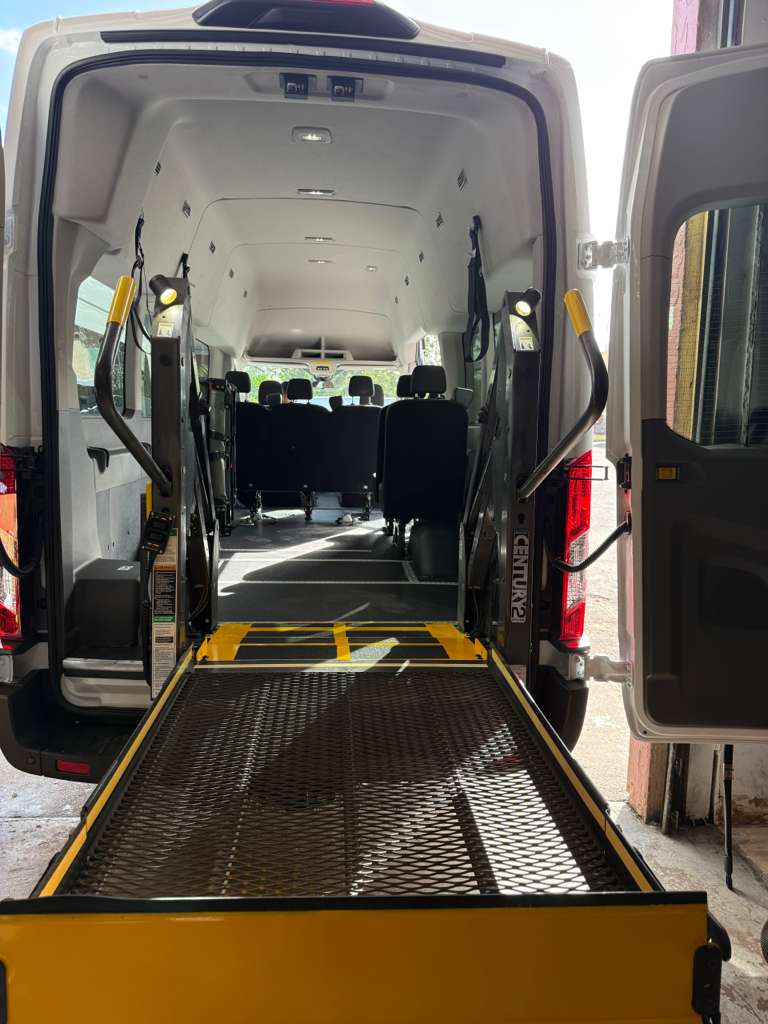
Rear-Entry Conversions
Rear-entry conversions allow wheelchair access from the back of the vehicle. These are typically:
- More affordable
- Easier to park in tight spaces
- Suitable for transportation services or short trips
However, they usually offer less interior flexibility compared to side-entry systems.
Key Components of a Handicap Van Conversion
A full conversion involves multiple mechanical and structural modifications working together to ensure accessibility and safety.
Wheelchair Ramps and Lifts
Ramps are used in lowered-floor vans, while lifts are hydraulic or electric platforms that raise and lower wheelchairs. Lifts are often preferred for heavier wheelchairs or non-lowered vehicles.
Lowered Floor Systems
Lowering the van floor increases interior height, allowing wheelchair users to remain seated comfortably inside the vehicle without headroom restrictions.
Wheelchair Securement Systems
These systems include tie-down straps or automatic docking systems that lock the wheelchair in place during transport, preventing movement and ensuring passenger safety.
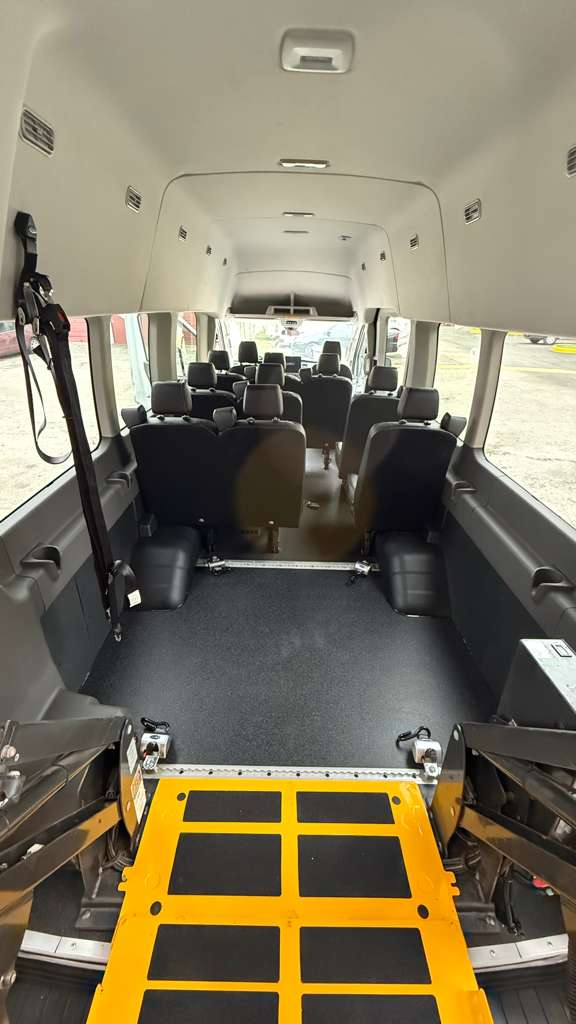
Interior Reconfiguration
Seats may be removed, repositioned, or made removable to create space for wheelchair positioning and improve cabin flexibility.
Benefits of a Handicap Van Conversion
A handicap van conversion is designed to go beyond simple vehicle modification—it directly impacts daily mobility, safety, and long-term independence. The main advantage is that it allows wheelchair users to travel without relying on third-party transport, which reduces both cost and scheduling limitations.
From a usability perspective, these conversions also improve travel safety by integrating secure wheelchair restraint systems and stable entry mechanisms such as ramps or lifts. This reduces the risk of movement during transit.
In addition, comfort is improved not only for the passenger using a wheelchair but also for caregivers or family members, since the vehicle layout is redesigned to reduce physical effort during transfers.
Key benefits include:
- Increased independence in daily transportation
- Safer travel through secure wheelchair anchoring systems
- Improved comfort for both users and caregivers
- Flexibility for personal, family, or commercial use cases
For families, this means less dependency on external transport services. For businesses such as medical transport providers, it enables more efficient and compliant mobility operations.
Who Needs a Handicap Van Conversion?
Handicap van conversions are not limited to a single user type—they serve a wide range of mobility needs across both personal and institutional contexts.
Individuals with permanent mobility impairments often require these vehicles for daily transportation to work, school, or medical appointments. Elderly passengers also benefit when reduced mobility makes standard vehicle entry difficult or unsafe.
On the institutional side, services such as non-emergency medical transportation (NEMT), rehabilitation centers, and hospitals rely on converted vans to safely move patients between facilities or homes.
Each group has different operational needs, meaning the ideal configuration (side-entry, rear-entry, lift system, or lowered floor) varies depending on frequency of use and level of mobility support required.
Cost Factors in Handicap Van Conversions
The cost of a handicap van conversion is not fixed because it depends heavily on the technical complexity of the modification and the level of accessibility required.
One of the biggest cost drivers is the entry system. Side-entry conversions with lowered floors are generally more expensive due to structural modifications, while rear-entry systems are often more affordable and simpler to install.
Other major factors include the type of accessibility equipment (hydraulic lift vs manual ramp), compatibility with the base vehicle, and whether the interior requires full reconfiguration to accommodate wheelchairs or additional seating.
Vehicle model also plays a role—larger vans typically allow more customization but require more extensive engineering work.
Overall, pricing usually reflects a trade-off between affordability and automation, where basic systems prioritize function while advanced conversions prioritize comfort and ease of use.
Frequently Asked Questions About Handicap Van Conversions
Choosing the right wheelchair van conversion often raises important questions about cost, accessibility options, and long-term usability. Below are some of the most common questions users have when evaluating ramp and lift systems.
Can the wrong handicap van conversion affect accessibility?
Yes. An unsuitable configuration can reduce maneuverability, limit accessibility, and create long-term usability problems.
What should I consider before choosing a handicap van conversion?
The wheelchair type, mobility level, daily vehicle usage, and accessibility requirements should all be evaluated before selecting a conversion setup.
Why is a custom handicap van conversion evaluation important?
Every user has different accessibility and mobility requirements, which is why a personalized evaluation helps determine the most practical solution.
Why do handicap van conversion costs vary so much?
Costs vary because each conversion depends on the vehicle type, structural modifications required, and the user’s mobility needs. Factors like lift systems, floor lowering, and customization significantly impact the final price.
Is a ramp always cheaper than a lift?
In most cases, ramps are more affordable. However, lifts may be necessary for heavier wheelchairs or users who require full assistance, making them the more practical option despite the higher cost.
What are the most common mistakes when choosing a conversion?
Common mistakes include choosing the wrong entry type, underestimating wheelchair size or weight, and not considering long-term mobility needs.
For users who require higher levels of safety, independence, and customization, professionally engineered wheelchair van conversions provide fully integrated mobility solutions designed for personal, medical, and commercial use.