
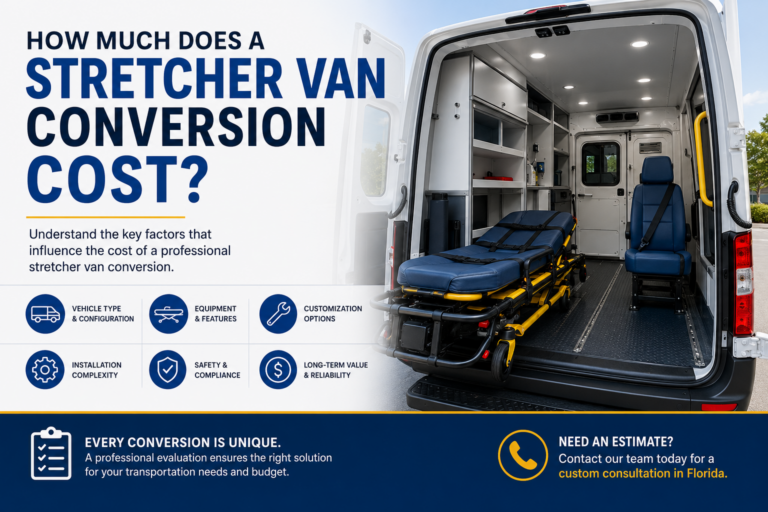
Learn what factors affect wheelchair van lift repair cost, including parts, labor, lift type, and repair complexity.
Read MoreWheelchair Lifts for Cars Repair Services in Florida
Professional wheelchair lifts for cars repair services designed to restore safe and reliable accessibility. We diagnose and repair electrical, hydraulic, and mechanical lift issues for wheelchair-accessible vehicles throughout Florida.
Wheelchair Lifts Installed in Cars
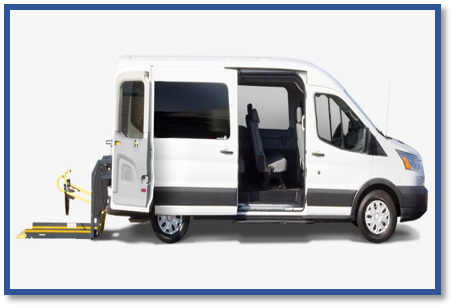
Wheelchair lifts installed in cars provide an accessibility solution that allows wheelchair users to enter and exit vehicles more safely and efficiently. These systems are commonly integrated into personal vehicles, accessible cars, mobility vehicles, and transportation fleets that require reliable wheelchair access.
Unlike larger commercial accessibility systems, wheelchair lifts installed in cars often operate within more compact vehicle configurations. Because of this, lift components are subjected to frequent use, limited operating space, and continuous exposure to road conditions. Maintaining proper lift performance is essential to support daily accessibility and dependable transportation.
Regular inspections and timely repairs can help identify developing issues before they affect vehicle accessibility, passenger safety, or overall lift reliability.
Common Problems in Wheelchair Lifts Installed in Cars
Wheelchair lifts can develop issues over time due to wear, usage, or lack of maintenance. The most common problems include:
- Slow or inconsistent lifting movement: Often caused by low hydraulic pressure, worn components, or lack of lubrication.
- Electrical control failures: Faulty wiring, damaged switches, or battery issues can prevent the lift from operating correctly.
- Unusual noises during operation: Grinding or clicking sounds may indicate mechanical wear or misaligned parts.
- Platform misalignment: Improper alignment can affect stability and safe operation of the lift.
- Hydraulic pressure loss: Low hydraulic fluid, leaking seals, or damaged hydraulic pumps can cause slow lifting movement or complete lift failure.
Identifying these issues early helps prevent complete system failure and reduces repair costs.
What Happens During a Wheelchair Lifts Repair Inspection
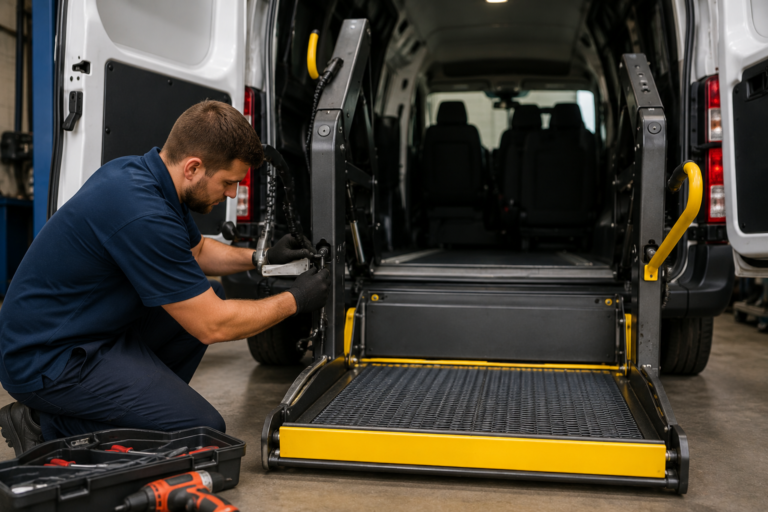
Wheelchair lifts repair typically starts with a detailed inspection to identify the root cause of the issue. Technicians evaluate the electrical system, hydraulic components, and safety mechanisms to detect faults. Once diagnosed, repairs may include fixing wiring, replacing damaged parts, or adjusting the lifts system to restore safe and reliable operation.
- Lifts motors and power systems: Checked for performance issues, wear, or electrical faults.
- Electrical wiring and control switches: Inspected for damage, loose connections, or failures.
- Hydraulic components (if applicable): Evaluated for leaks, pressure loss, or system inefficiencies.
- Structural parts and safety mechanisms: Reviewed to ensure stability and proper lifts operations.
Once the issue is diagnosed, the faulty components are repaired or replaced, followed by system testing to ensure safe and reliable operation.
Quick Wheelchair Lifts Troubleshooting Checklist
Before requesting professional wheelchair lifts repair, several basic checks can help identify common electrical, hydraulic, or mechanical issues affecting lifts operations. Many wheelchair lift problems are caused by power interruptions, low hydraulic pressure, obstructed rails, or faulty control components.
Check the vehicle fuse or circuit breaker
A blown fuse or tripped circuit breaker can completely disable the wheelchair lift system. Inspect the vehicle’s fuse panel and verify that the lift circuit is receiving power.
Verify battery voltage
Low battery voltage may prevent the lift motor or hydraulic pump from operating correctly. Weak batteries can also cause intermittent lift operation or slow platform movement.
Inspect hydraulic fluid levels
Hydraulic wheelchair lifts rely on proper fluid pressure to raise and lower the platform safely. Low hydraulic fluid or visible leaks may reduce lifting power or stop the lift midway.
Check for loose wiring or damaged connections
Loose electrical wiring, corroded terminals, or damaged connectors can interrupt communication between the control module and lift system.
Remove debris from lift rails or moving parts
Dirt, rust, or physical obstructions on lift rails may cause platform resistance, uneven movement, or mechanical strain during operation.
Test lift controls and switches
Faulty control switches, damaged remotes, or malfunctioning relays can prevent the lift from responding correctly when activated.
Listen for unusual noises during operation
Grinding, clicking, or jerking sounds may indicate worn mechanical parts, hydraulic pressure issues, or motor failure.
If the wheelchair lift continues to malfunction after these checks, professional diagnosis may be necessary to identify hydraulic, electrical, or structural component failures.
Why Early Wheelchair Lift Repair Is Important
Wheelchair lift problems often begin as minor performance issues before developing into more significant failures. Slow platform movement, unusual noises, inconsistent operation, or reduced lifting capacity may indicate underlying electrical, hydraulic, or mechanical concerns that require attention.
Addressing lift problems early can help prevent unexpected breakdowns, reduce vehicle downtime, and maintain safe accessibility for wheelchair users. Early diagnosis also allows technicians to identify worn components before they cause additional damage to the lift system.
Benefits of early wheelchair lift repair include:
- Maintain safe lift operation
- Prevent unexpected breakdowns
- Reduce the risk of more extensive damage
- Supporting consistent daily transportation needs
Prompt inspection and repair can help ensure that wheelchair lifts installed in cars continue operating safely and efficiently over time.
Why Wheelchair Lift Repairs Require Specialized Technicians
Wheelchair lifts installed in cars often require specialized repair due to their compact design and integration with the vehicle. These systems combine electrical, mechanical, and, in some cases, hydraulic components that must work together safely and reliably.
Professional technicians can accurately diagnose the root cause of lift malfunctions, identify worn or damaged components, and perform repairs that restore proper functionality. Specialized repair also helps reduce the risk of recurring issues, improve long-term reliability, and maintain safe accessibility for daily transportation.
Frequently Asked Questions
Can wheelchair lifts installed in cars be repaired?
Yes. Many wheelchair lifts installed in cars can be repaired when issues affect electrical components, lift controls, hydraulic systems, motors, safety mechanisms, or platform operation. A professional inspection helps determine the cause of the problem and identify the most appropriate repair solution.
What causes wheelchair lifts in cars to stop working?
Wheelchair lifts installed in cars may stop working due to electrical faults, low hydraulic pressure, damaged components, worn motors, control system failures, or mechanical wear. Identifying the underlying cause is important to restore safe and reliable operation.
How long does wheelchair lift repair typically take?
Repair timelines vary depending on the type of malfunction, the condition of the lift system, and whether replacement components are required. A professional inspection is typically needed to determine the scope of the repair.
Are hydraulic and electric wheelchair lift repairs different?
Yes. Hydraulic wheelchair lifts and electric wheelchair lifts use different operating systems and components. While both may experience performance issues over time, the diagnostic and repair procedures vary depending on the lift design and technology being used.
Need Wheelchair Lift Repair Specialists in Florida?
If your wheelchair lift is experiencing performance issues, professional wheelchair lift repair specialists can identify the cause and restore safe, reliable operation. Early diagnosis helps prevent more extensive system failures and keeps your mobility vehicle accessible for daily use.
Call 305 505 8677 or contact Commercial Mobility Modifications today to schedule a professional inspection and learn more about our wheelchair lift repair services throughout Florida.
Hi, I'm a global tooltip.
0 0 votes
Article Rating
Login
0 Comments
Oldest
Newest Most Voted
Related Mobility Repair Services

Wheelchair Van Lift Maintenance: How Often?
Learn how often wheelchair van lifts should be serviced and what factors determine their maintenance needs.
Read More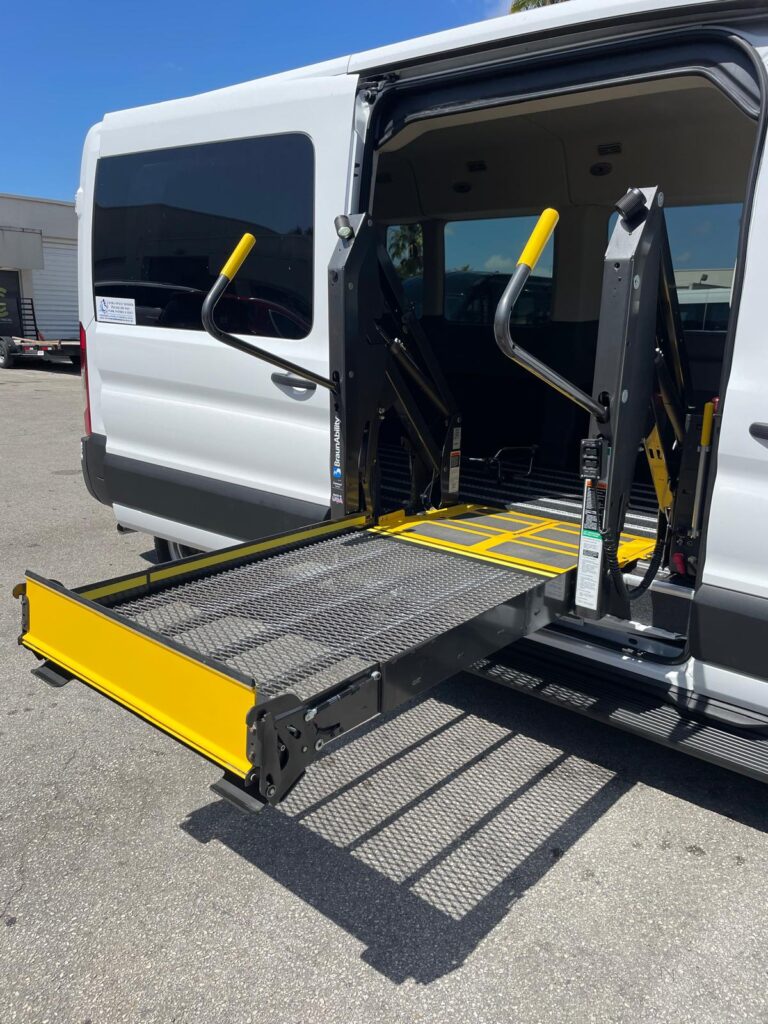
Common Wheelchair Van Lift Problems and Their Warning Signs
Discover common wheelchair van lift problems, including operational issues, unusual noises, alignment concerns, and other warning signs that may indicate...
Read More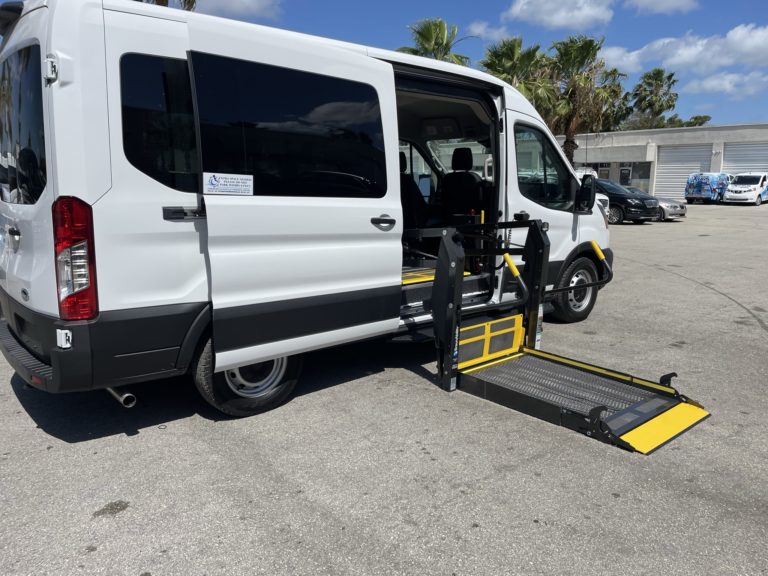
What is Hydraulic Lift Repair?
Learn what hydraulic lift repair is, the most common hydraulic lift problems, their causes, and how lift systems are evaluated...
Read More